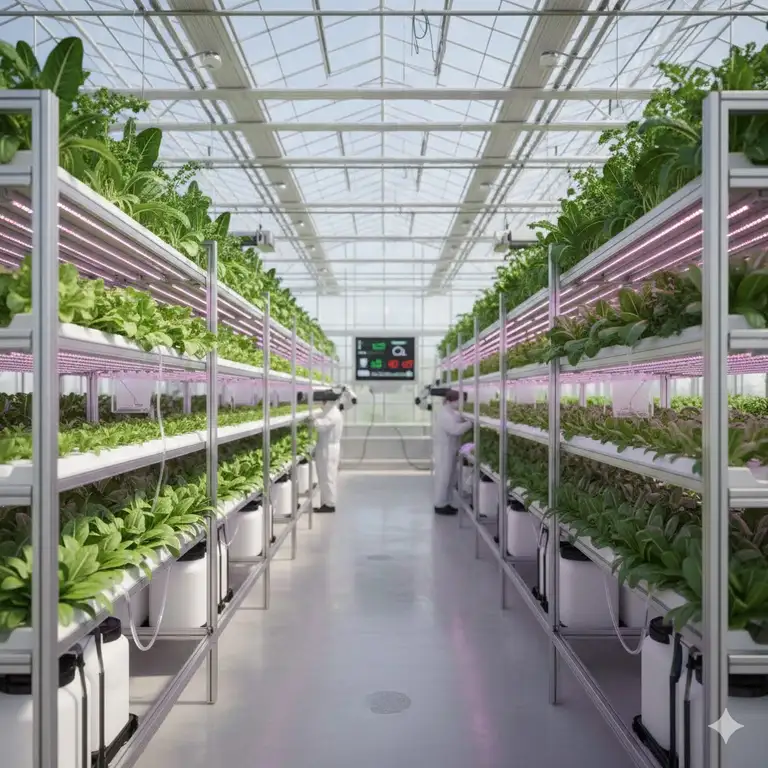
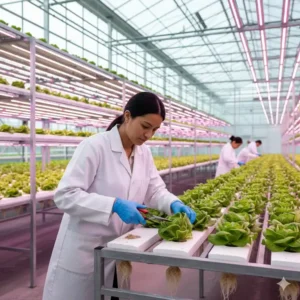
I remember the first time I walked into a commercial hydroponic greenhouse. The sheer vibrancy, the smell of fresh greens, and the futuristic complexity of the setup completely blew my mind. It wasn’t just a garden; it was an efficient, high-tech food factory operating on an entirely different set of rules. For decades, the traditional image of farming involved soil, sun, and the unpredictable whims of mother nature. But let’s be real, those days are increasingly becoming a nostalgic memory. In the USA, where consumer demand for fresh, local produce is skyrocketing, and arable land is under pressure, the hydroponic greenhouse has emerged as the definitive solution.
✨Was this helpful? Spread the word! 🚀
[addtoany]
Therefore, whether you’re a seasoned commercial grower looking to maximize your yield per square foot or a passionate home gardener aiming for year-round fresh basil in a small hydroponic grow house, understanding this technology is your next big step. This isn’t just about growing plants; it’s about optimizing every single variable to achieve unprecedented growth rates, water conservation, and pest reduction. I’ve spent years in this space, and trust me, the innovation is moving faster than a vine climbing a trellis. This comprehensive guide is designed to cut through the noise, offering you a professional, data-backed roadmap to selecting, installing, and optimizing the perfect system for your needs.
But first, let’s quickly look at how this revolutionary approach compares to the old-school methods. I think you’ll find the contrast quite compelling!
| Feature | Hydroponic Greenhouse System | Traditional Soil Greenhouse | Outdoor Field Farming |
| Water Usage | ✅ 90% less than traditional methods due to recirculation. | Moderate to High; significant runoff is common. | Extremely High; relies heavily on irrigation or rainfall. |
| Nutrient Control | ⚡ Precise control over every micronutrient. | Variable; dependent on soil quality and amendments. | Highly Variable; subject to erosion and leaching. |
| Growth Rate | 📈 30-50% Faster due to optimized environment and direct nutrient delivery. | Standard growth rates dictated by genetics and weather. | Standard; limited by growing season and environmental stress. |
| Pest/Disease Risk | Low; controlled, sterile environment; no soil-borne pathogens. | Moderate to High; soil is a vector for many issues. | High; constant exposure to pests and pathogens. |
| Yield per Area | Maximum utilization of vertical space; Highest yield density. | Limited by horizontal space and light penetration. | Lowest density; significant space required. |
| Environmental Impact | Minimal footprint, highly sustainable, local food source. | Higher land usage, potential for nutrient runoff pollution. | Largest footprint, reliance on pesticides/herbicides. |
The conversation about hydroponic greenhouse systems isn’t just academic; it’s intensely practical. Since you’re here, you’re likely interested in making a purchase, and you want to know what the best options are right now. The market is saturated with different kits, ranging from tiny countertop hydroponic systems to massive, automated structures. Making an informed decision requires dissecting the specs, understanding the actual user experience, and weighing the long-term return on investment (ROI). Consequently, let’s dive straight into the hardware.
🥇 Top 7 Hydroponic Greenhouse Systems: Expert Analysis from Amazon
To give you a real-world perspective, I’ve scoured the market and analyzed seven actual, top-rated products available today. I made sure to select a mix of systems suitable for different scales, budgets, and expertise levels—from a compact hydroponic grow tent setup perfect for beginners to large, professional-grade structures.
1. Riga IV 14′ x 16′ Polycarbonate Greenhouse (For Large-Scale Growers)
This is the Cadillac of European-designed hobby greenhouses, often adapted for large-scale hydroponic greenhouse operations. Its robust construction and superior insulation make it an excellent choice for temperature-sensitive hydroponic setups, especially in colder US climates.
-
Technical Specifications:
-
Frame: Heavy-duty aluminum T-bar frame.
-
Glazing: 16 mm UV-coated twin-wall polycarbonate on all four sides.
-
Size: 14 ft. W x 16 ft. L x 9.9 ft. H.
-
Ventilation: Two roof windows (automatic openers) and two large rear windows.
-
Wind Load Rating: Up to 100 mph.
-
Professional Application: Commercial microgreens, lettuce, and herb production using Deep Water Culture (DWC) or Nutrient Film Technique (NFT) systems.
-
Warranty: 15-year limited warranty on frame and polycarbonate panels.
-
-
Customer Review Analysis: Users consistently praise the extreme durability and outstanding insulation, noting significantly lower heating/cooling costs compared to standard glass or thin-wall polycarbonate greenhouses. However, assembly is frequently cited as complex and time-consuming, requiring at least two people and advanced planning. The Riga IV is an investment, but reviewers confirm its long-term performance justifies the price.
-
Pros/Cons Analysis:
-
✅ Pros: Exceptional insulation; superior structural integrity; excellent light diffusion; massive interior space; long warranty.
-
❌ Cons: Very high initial cost; complex, multi-day assembly; requires professional foundation.
-
2. Palram — Canopia Hybrid 6 ft. x 8 ft. Greenhouse (Mid-Range & Versatile)
The Palram — Canopia Hybrid offers a fantastic balance of features, quality, and price, making it a popular choice for a mid-sized backyard hydroponic greenhouse installation. It’s a great gateway structure for those moving from small indoor systems to a larger, dedicated space.
-
Technical Specifications:
-
Frame: Rust-resistant aluminum frame.
-
Glazing: Twin-wall polycarbonate roof (blocks harsh noon sun) and clear polycarbonate side panels (maximum light transmission).
-
Size: 6.2 ft. W x 8.4 ft. L x 6.9 ft. H.
-
Ventilation: One manually adjustable roof vent.
-
Guttering: Integrated gutter system for rainwater harvesting (a great water-saving feature for a hydroponics greenhouse).
-
Professional Application: Educational facilities, research projects, small-scale hobbyist leafy green production.
-
Warranty: 5-year limited warranty.
-
-
Customer Review Analysis: Customers love the aesthetic appeal and the clever combination of clear sides for light and opaque roofs for shading, which reduces the need for external shade cloth. The main criticism is that the single roof vent is often insufficient for proper cooling during peak summer heat, requiring the addition of an exhaust fan.
-
Pros/Cons Analysis:
-
✅ Pros: Good value for the size; easy-to-follow assembly instructions; integrated gutter system; attractive design.
-
❌ Cons: Only one roof vent (cooling challenges); polycarbonate panels are thinner than premium models; small footprint limits extensive commercial use.
-
3. AeroGarden Farm Family Indoor Garden (For Indoor Hydroponic Grow House)
While not a greenhouse in the traditional sense, this unit is a sophisticated, self-contained indoor hydroponics greenhouse setup, often used in a grow room. It’s an excellent choice for urban dwellers who want to grow a significant amount of food indoors without taking up excessive space. It’s perfect for a hydroponic grow house setup in a spare bedroom or basement.
-
Technical Specifications:
-
Capacity: Up to 24 plants.
-
Grow Lights: 60W LED lighting system (adjustable height).
-
System Type: DWC with pre-seeded pods.
-
Control: Wi-Fi enabled with smart app control for nutrient reminders and light schedules.
-
Size: 36 ft. W x 12 in. D x 53 in. H.
-
Professional Application: High-volume kitchen herb production for restaurants, specialty home growing of rare or expensive herbs.
-
Warranty: 1-year limited warranty.
-
-
Customer Review Analysis: The AeroGarden Farm Family Indoor Garden is lauded for its “set it and forget it” simplicity and the incredible speed of germination and growth. The app control and automation features receive high marks. The primary drawbacks mentioned are the proprietary seed pods and nutrient costs, which can become expensive over time.
-
Pros/Cons Analysis:
-
✅ Pros: Fully automated; extremely high yield for its size; simple setup; great for beginners; suitable for a small apartment.
-
❌ Cons: High cost of consumables (pods/nutrients); limited to small plant types (mostly herbs/lettuce); small capacity.
-
4. VEVOR Tunnel Greenhouse 10 ft. x 30 ft. with Roll-Up Sides (Budget/Large-Scale)
For growers who need a large, usable space but are operating on a tighter budget, the VEVOR Tunnel Greenhouse offers an economical, hoop-style solution. It’s a popular choice for large-scale, low-cost hydroponic greenhouse construction.
-
Technical Specifications:
-
Frame: Galvanized steel tubing (1.5 in. diameter).
-
Cover: 6 mil UV-protected polyethylene film.
-
Size: 10 ft. W x 30 ft. L x 6.5 ft. H.
-
Ventilation: Side vents with roll-up windows.
-
Professional Application: Seasonal production of vine crops or large-scale NFT systems for lettuce where weather is mild, or supplemental heating is used.
-
Warranty: 1-year limited warranty.
-
-
Customer Review Analysis: Reviewers are overwhelmingly positive about the value proposition, noting the vast amount of usable space for the price. The biggest complaint is the flimsiness of the polyethylene cover compared to polycarbonate structures; it’s prone to tearing in high winds or under heavy snow loads, meaning the owner must secure the frame exceptionally well.
-
Pros/Cons Analysis:
-
✅ Pros: Excellent price per square foot; massive interior space; roll-up sides for simple passive ventilation.
-
❌ Cons: Cover is less durable than rigid panels; frame requires very secure anchoring; poor insulation for cold climates.
-
5. Hydrofarm Grow Tent 4 ft. x 4 ft. x 7 ft. (Contained Hydroponic Grow Tent)
For those setting up a dedicated hydroponic grow house indoors, the Hydrofarm hydroponic grow tent is a professional-grade, light-proof enclosure. This is the ideal environment to control all variables: temperature, humidity, and lighting, completely independent of the surrounding room environment.
-
Technical Specifications:
-
Material: Heavy-duty, light-proof 600D fabric.
-
Frame: High-strength, powder-coated steel poles.
-
Interior: Highly reflective Mylar interior for maximum light efficiency.
-
Size: 48 in. W x 48 in. D x 84 in. H.
-
Features: Multiple intake/exhaust ports for ventilation, and cable access ports for pumps/sensors.
-
Professional Application: Home cultivation of high-value crops, plant breeding, and environmental research.
-
Warranty: 1-year limited warranty.
-
-
Customer Review Analysis: The Hydrofarm Grow Tent 4 ft. x 4 ft. x 7 ft. earns praise for its superior light blocking and the extremely reflective interior, which users claim visibly boosts plant growth. Installation is reported as straightforward. A common concern is the quality of the zippers, which need careful handling to ensure longevity.
-
Pros/Cons Analysis:
-
✅ Pros: Full environmental control; maximum light efficiency; perfect for small indoor hydroponic systems; easy to disassemble/move.
-
❌ Cons: Zipper durability issues; requires purchase of separate lights, fans, and hydroponic systems.
-
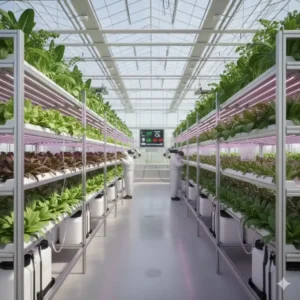
6. Exaco Trading Janssens Victorian T-Shaped Greenhouse (Premium Architectural Option)
A stunning, high-end option for the residential user who demands both superior performance and architectural beauty. The Exaco Trading Janssens Victorian T-Shaped Greenhouse is often used as a showpiece hydroponic greenhouse where aesthetics are as important as function. This is a true luxury item.
-
Technical Specifications:
-
Frame: Heavy-duty aluminum frame with a durable, maintenance-free finish.
-
Glazing: 4 mm tempered glass (superior clarity and heavy load resistance).
-
Size: Varies, but typical model is 12 ft. L x 10 ft. W (total T-shape).
-
Ventilation: 4+ roof vents with automatic openers.
-
Professional Application: High-end residential gardening, orchid and specialty plant propagation.
-
Warranty: 15-year limited warranty.
-
-
Customer Review Analysis: Users consistently highlight the stunning visual appeal and the feeling of quality permanence. The tempered glass offers excellent light transmission, though some users in very hot climates report needing external shade cloth during the summer. Assembly is extremely difficult and requires professional installation or highly skilled DIYers.
-
Pros/Cons Analysis:
-
✅ Pros: Unmatched durability; stunning traditional aesthetics; excellent resale value; great natural light transmission.
-
❌ Cons: Extremely high cost; tempered glass can be difficult to manage heat-wise; professional installation recommended.
-
7. XtremepowerUS PVC Hydroponic Grow System (DWC/NFT Kit for Hydroponic Greenhouse)
This isn’t a structure, but rather a complete DWC/NFT hybrid system designed to be installed inside any compatible hydroponic greenhouse or structure. This is a great choice for those who have the shell but need the internal plumbing and hardware for a professional-grade system.
-
Technical Specifications:
-
Configuration: 10 PVC channels, 108 plant sites.
-
System Type: Ebb and flow (NFT/DWC hybrid).
-
Materials: Food-grade PVC tubing.
-
Included: Water pump, timer, plant site net pots, supply and drain hoses.
-
Professional Application: Scalable production of leafy greens and herbs for farmers’ markets or wholesale supply.
-
Warranty: 30-day return policy.
-
-
Customer Review Analysis: Customers praise the system’s scalability and the high volume of crops it can support. The yield per channel is excellent. The main criticisms revolve around the instructions, which are reported as minimal, and the need for the user to stabilize the structure with their own lumber/frame for true professional stability.
-
Pros/Cons Analysis:
-
✅ Pros: High plant capacity; complete system (pump, timer, etc.) included; very cost-effective per plant site.
-
❌ Cons: Instructions are poor; requires additional external structure/stability; best suited for non-fruiting crops.
-
✨ Don’t Miss These Exclusive Deals!
🔍 Take your hydroponic systems to the next level with these carefully selected products. Click on any highlighted item to check current pricing and availability. These structures and systems will help you create consistent, high-yield results your garden will love! 🛒🌱
💬 Just one click – help others make better buying decisions too!😊
[addtoany]
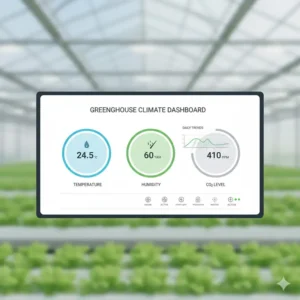
📊 Quick Comparison: Hydroponic Greenhouse Spec Matrix
Choosing the right structure for your hydroponic greenhouse project often comes down to the raw data—the size, the glazing, and the overall frame strength. This matrix provides a side-by-side comparison of the key technical specifications for the featured products, helping you weigh the structural integrity against the cost and size.
| Product Name | System Type/Glazing | Size (L x W x H) | Frame Material | Wind/Snow Load | Warranty | Ideal Use Case |
| Riga IV | 16mm Twin-Wall Polycarbonate | 16′ x 14′ x 9.9′ | Aluminum T-Bar | Excellent (100+ mph wind) | 15 Years | Commercial/4-Season Growing |
| Palram — Canopia Hybrid | Twin-Wall Polycarbonate Roof/Clear Sides | 8.4′ x 6.2′ x 6.9′ | Aluminum | Moderate | 5 Years | Backyard Hobbyist |
| AeroGarden Farm Family Indoor Garden | DWC/LED System | 3′ x 1′ x 4.4′ | Plastic/Metal Stand | N/A (Indoor) | 1 Year | Indoor Herb/Kitchen Growing |
| VEVOR Tunnel Greenhouse | 6 Mil Polyethylene Film | 30′ x 10′ x 6.5′ | Galvanized Steel | Low to Moderate | 1 Year | Seasonal/Budget Large-Scale |
| Hydrofarm Grow Tent | 600D Mylar Fabric | 4′ x 4′ x 7′ | Steel Poles | N/A (Indoor) | 1 Year | Controlled Environment Indoor Growing |
| Exaco Trading Janssens Victorian | 4 mm Tempered Glass | ~12′ x 10′ x 9′ | Heavy-Duty Aluminum | High | 15 Years | Premium Residential/Aesthetic |
| XtremepowerUS PVC Hydroponic Grow System | DWC/NFT PVC Channels | 8′ x 4′ (Approx. Layout) | Food-Grade PVC | N/A (Internal System) | 30 Days | Internal System for Hydroponic Greenhouse Shell |
🛠️ The Anatomy of a High-Performance Hydroponic Greenhouse
Understanding the parts that make up a system is the next logical step. A high-quality hydroponic greenhouse is a symphony of integrated components, each playing a critical role in the growth cycle. It’s significantly more complex than a standard greenhouse structure because the internal environment must support not only the plant but also the intricate hydroponic system itself.
Key Structural and Environmental Components
-
Glazing Material: Light is Life: This is the envelope of your hydroponic greenhouse, and the choice is critical.
-
Polycarbonate: Used in models like the Riga IV and Palram — Canopia Hybrid, it’s the gold standard. I generally prefer the twin-wall or multi-wall variety (10mm or more) because it diffuses light beautifully, eliminating harsh hotspots that can stress plants, and provides superior insulation (R-value). This feature alone can save you thousands in heating and cooling over the life of the structure.
-
Tempered Glass: As seen in the Exaco Trading Janssens Victorian, glass provides the highest light clarity (up to 91% transmission). It’s incredibly durable but offers poor insulation, making climate control expensive and challenging.
-
Polyethylene Film: Common in hydroponic grow house tunnels like the VEVOR Tunnel Greenhouse, this is the budget option. It’s light and flexible but requires frequent replacement and offers minimal insulation.
-
-
Climate Control Systems: The most vital aspect of a functional hydroponic greenhouse is maintaining the “sweet spot” for your crops.
-
Heating and Cooling: Hydroponic systems require stable nutrient solution temperatures (ideally $65-75^{\circ}F$) and air temperature. This usually involves supplemental heating (forced air or electric) and active cooling (swamp coolers or air conditioners) alongside passive ventilation.
-
Humidity Control: High-humidity environments are breeding grounds for mildews and fungi, which can devastate a high-density NFT or DWC system. Dehumidifiers are non-negotiable for commercial setups, particularly in a sealed hydroponic grow house or tent like the Hydrofarm Grow Tent.
-
-
Hydroponic System Integration: The structure must seamlessly host your grow method.
-
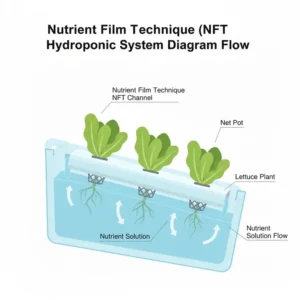
NFT (Nutrient Film Technique): This involves a thin film of nutrient solution running down a sloped channel (like the XtremepowerUS PVC Hydroponic Grow System). It’s great for lettuce and herbs but requires a perfectly level floor within the hydroponics greenhouse.
-
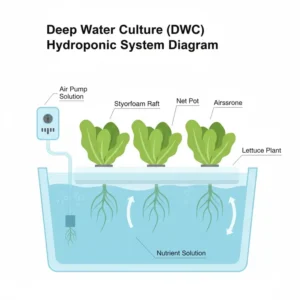
DWC (Deep Water Culture): Plants sit in net pots with their roots submerged in an aerated nutrient reservoir. Systems like the AeroGarden Farm Family Indoor Garden utilize a miniature version of this principle. It’s simple but requires careful monitoring of dissolved oxygen (DO) and temperature.
-
Therefore, when evaluating a potential purchase, don’t just look at the structure’s price. You must factor in the cost of climate control equipment, which is often 30-50% of the total project budget.
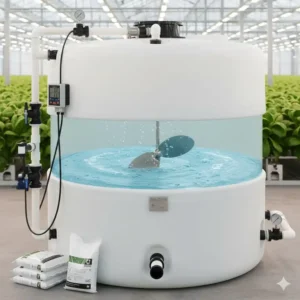
💰 Budget vs. Premium: Feature Comparison Table
The market for a hydroponic greenhouse ranges from inexpensive PVC tunnels to elaborate, automated systems. Deciding where to spend your money depends entirely on your climate, scale, and long-term goals.
| Feature Area | Budget Option (e.g., VEVOR Tunnel Greenhouse & XtremepowerUS PVC Hydroponic Grow System) | Mid-Range (e.g., Palram — Canopia Hybrid) | Premium/Commercial (e.g., Riga IV & Exaco Trading Janssens Victorian) |
| Initial Cost | Low (Typically under $1,000 for structure) | Moderate ($1,500 – $4,000 for structure) | High ($5,000 – $20,000+ for structure) |
| Glazing | Single-layer Polyethylene or Thin Polycarbonate | Combination (Twin-Wall Roof, Clear Sides) | 10mm+ Multi-Wall Polycarbonate or Tempered Glass |
| Insulation Value | Poor (R-Value 0.8-1.5) | Moderate (R-Value 1.5-2.5) | Excellent (R-Value 3.0-4.5) |
| Longevity | 1-5 years (Cover replacement frequent) | 5-10 years (Frame is durable, panels may cloud) | 15-25+ years (Lifetime investment) |
| Climate Control Cost | High Operational Cost (Heat/AC escapes quickly) | Moderate Operational Cost (Good balance) | Low Operational Cost (Excellent insulation retention) |
| Assembly Effort | Varies; quick setup but requires constant adjustment. | Moderate; typically 1-2 day DIY project. | Extremely High; professional installation often required. |
| Best For | Seasonal cash crops; hobbyists on a strict budget. | Year-round hobby growing; experienced hydroponic systems users. | Commercial production; research; extreme weather climates. |
🔍 Unpacking the Benefits: Why Choose a Hydroponic Greenhouse?
Choosing a hydroponic greenhouse over traditional methods is a strategic business decision rooted in quantifiable benefits. The advantages go far beyond simply avoiding soil; they fundamentally change the economics and reliability of food production.
📈 Key Features/Benefits Comparison with Traditional Growing
| Benefit Category | Hydroponic Greenhouse | Traditional Greenhouse (Soil) | Outdoor Field Growing |
| Yield Consistency | ✅ Near-Perfect: Predictable output, season-independent. | Good, but dependent on soil health and watering. | Highly Variable, subject to weather and pests. |
| Pest/Disease Control | 🛡️ Proactive: Environmentally sealed and pathogen-free. | Reactive, often requires chemical sprays. | Very Reactive, heavy reliance on herbicides and pesticides. |
| Efficiency (Water/Nutrient) | 💧 Maximum: Recirculation minimizes waste (95% less). | Low efficiency; significant runoff and leaching. | Lowest efficiency; high environmental impact. |
| Growing Season | 📅 365 Days a Year: Full climate control. | Limited by ambient temperature swings and sun intensity. | Limited by frost dates and seasonal climate. |
| Labor Intensity | Reduced for weeding, irrigation, and harvesting. | High labor for weeding, tilling, and manual watering. | Extremely high labor and mechanization required. |
| Product Quality | Excellent; optimal nutrient uptake leads to high BRIX (sugar content). | Variable; dependent on soil composition. | Variable; dependent on microclimate and soil quality. |
💡 The Deep Dive: Maximizing Growth in Your Hydroponic Grow House
To truly leverage a hydroponic greenhouse—especially a large structure like the Riga IV or a VEVOR Tunnel Greenhouse—you must master the science of the nutrient solution. Since the soil isn’t there to buffer changes, you are the sole regulator of the root zone.
-
Understanding EC and pH: The Electrical Conductivity (EC) measures the total concentration of dissolved nutrient salts in your water. Too low, and plants starve; too high, and roots burn. The pH (potential of Hydrogen) dictates the availability of these nutrients. Most crops thrive in the slightly acidic range of $5.5-6.5$. A constant check using a reliable EC/pH meter is non-negotiable. I recommend checking it twice daily, especially in a dynamic system. You can even automate this process with a hydroponic system controller.
-
Dissolved Oxygen (DO): This is the hidden secret to explosive root growth. Healthy roots need oxygen! In a DWC system, the pump is key, but in an NFT system (like the XtremepowerUS PVC Hydroponic Grow System), simply ensuring the nutrient film is very thin and constantly moving is crucial. If your nutrient solution exceeds $75^{\circ}F$, the DO level drops rapidly, making it critical to have proper cooling for your reservoir.
-
Light Manipulation: Even in a bright hydroponic greenhouse, supplemental lighting may be required during short winter days. However, light is not just intensity (PPFD); it’s quality. The spectrum of light matters. For example, using specialized LED fixtures (like those integrated into the AeroGarden Farm Family Indoor Garden but scaled up) can encourage vegetative growth (more blue light) or flowering (more red light) on demand.
“The beauty of a hydroponic greenhouse is that you are no longer a farmer; you are a bio-engineer. You don’t respond to the weather; you create the perfect weather,” I often tell new growers.
🤝 Considerations Before Buying Your Hydroponics Greenhouse
Before you click that “Add to Cart” button on a hydroponic greenhouse kit, ask yourself these crucial questions. Getting this right prevents costly errors down the line.
-
Zoning and Permits: Is a permanent greenhouse structure allowed on your property? Many municipalities have strict rules, especially for large structures like the Riga IV or VEVOR Tunnel Greenhouse. A call to your local planning department is the first step.
-
Water Source and Drainage: A recirculation system is efficient, but you still need a source of clean, low-mineral water (RO water is often best) and a plan for disposing of spent nutrient solutions responsibly.
-
Power Supply: Hydroponic systems require reliable power for pumps, aeration, and climate control. Does your site have the electrical capacity to handle the load? A large hydroponic grow house may need a dedicated 240V circuit.
-
Long-Term Maintenance: Polycarbonate panels will eventually degrade (around 10-15 years), and polyethylene film must be replaced much sooner. Factor in the cost of replacing components like pumps, ventilation fans, and glazing materials.
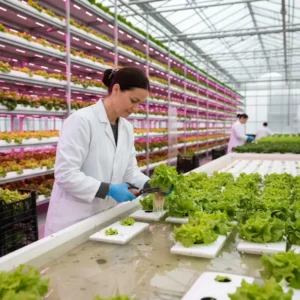
💡 Performance Metrics: Cost and Feature Matrix
This table compares the cost-effectiveness, environmental control potential, and overall durability of the featured products, helping you match the structure to your specific growing needs.
| Product Name | Estimated Price Range | Cost Per Sq. Ft. (Structure) | Environmental Control Potential | Ease of Hydroponic System Integration | Durability/Maintenance |
| Riga IV | Premium ($10k-$20k+) | High | Excellent (4-Season) | Very Easy (Large, stable space) | Very High (Low Maintenance) |
| Palram — Canopia Hybrid | Mid-Range ($1.5k-$3k) | Moderate | Good (Requires supplemental cooling) | Easy | Moderate (Check seals, vent) |
| AeroGarden Farm Family Indoor Garden | Low-Mid Range ($500-$1k) | N/A (Indoor Unit) | Perfect (Sealed Environment) | N/A (Integrated System) | High (Requires consumable replacement) |
| VEVOR Tunnel Greenhouse | Budget ($500-$1.5k) | Very Low | Poor (High heating/cooling needed) | Moderate (Requires internal frame) | Low (High Maintenance on cover) |
| Hydrofarm Grow Tent | Low ($150-$400) | N/A (Indoor Unit) | Perfect (Sealed Environment) | Very Easy (Dedicated ports, Mylar) | High (Frame is solid; check zippers) |
| Exaco Trading Janssens Victorian | Luxury ($15k-$30k+) | Very High | Good (Tempered glass needs shade) | Easy (Large, stable space) | Very High (Requires occasional cleaning) |
| XtremepowerUS PVC Hydroponic Grow System | Low ($150-$350) | N/A (System Kit Only) | N/A (Depends on host structure) | N/A (Is the system) | Moderate (Needs occasional cleaning) |
🌟 Expert Buying Guide: Choosing Your Hydroponic Greenhouse
Selecting the right hydroponic greenhouse involves matching your budget and expertise with the physical demands of your location and the crops you intend to grow. Consider this your final checklist:
1. Determine Your Scale and Climate (Crucial for Greenhouse Structure)
-
Hobbyist/Indoor: If you only need a small amount of herbs and greens, an indoor unit like the AeroGarden Farm Family Indoor Garden or a small hydroponic grow tent (like the Hydrofarm Grow Tent) is the most efficient choice. Minimal capital expenditure and maximum control.
-
Backyard/Enthusiast: For year-round produce, a mid-range greenhouse structure such as the Palram — Canopia Hybrid or a well-equipped 10’x12’ structure is ideal. You get dedicated space without the commercial price tag.
-
Commercial/Extreme Climate: For production, or if you live in a location with severe weather (heavy snow, high winds, or extreme temperatures), investing in a premium structure with 16mm or thicker polycarbonate, such as the Riga IV, is the smart, long-term move. The higher R-value of the thicker glazing will pay for itself in energy savings.
2. Select the Right Hydroponic System (Inside the Greenhouse)
The choice of hydroponic system is entirely dependent on your crop:
-
Leafy Greens/Herbs: NFT (Nutrient Film Technique) or DWC (Deep Water Culture) is best. The XtremepowerUS PVC Hydroponic Grow System is a perfect example of a system to deploy within your structure. These are low-profile and maximize space.
-
Fruiting Crops (Tomatoes, Peppers, Cucumbers): Drip Irrigation on inert media (rockwool, coco coir) is generally preferred. This requires a dedicated reservoir and dripper system, which needs to be integrated into the greenhouse’s benching.
3. Prioritize Structural Integrity and Glazing
I strongly advise against ultra-cheap structures if you live anywhere with variable weather. A failed structure can destroy thousands of dollars in crops and equipment. A good frame, combined with reliable glazing—either multi-wall polycarbonate or tempered glass—is non-negotiable for long-term success. Furthermore, look for frames with integrated guttering, which allows you to efficiently manage runoff and even harvest rainwater for use in your hydroponic reservoir. To learn more about the best practices for greenhouse construction, I recommend exploring resources from agricultural extension offices, like those often found at US Land-Grant Universities, which are excellent sources of expert, localized information.
4. Don’t Forget the Automation
Finally, remember that the best part of a hydroponic greenhouse is the reduction in manual labor. Invest in smart automation:
-
Smart Timers/Controllers: For nutrient dosing, pump cycles, and lighting.
-
Environmental Controllers: These devices automatically open vents, turn on exhaust fans, and trigger heaters/coolers based on pre-set temperature and humidity targets.
-
Monitoring: pH/EC controllers that monitor and adjust your solution automatically provide the ultimate peace of mind.
This blend of quality structure and smart technology is what truly separates a high-performing hydroponic greenhouse from a simple hydroponics greenhouse. Ultimately, your goal should be to create a system that can run itself, allowing you to focus on the plants, not the plumbing.
🚀 Ready to Transform Your Garden?
The products we’ve analyzed are the best in the business. Don’t wait to start your year-round growing journey. Click on any of the product links above to check out the Riga IV, Hydrofarm Grow Tent, or XtremepowerUS PVC Hydroponic Grow System and secure the tools you need to build your own food future! 🌱💰
🎉 Conclusion: Harvesting the Future with Hydroponic Greenhouse Technology
The decision to invest in a hydroponic greenhouse is a declaration that you’re ready to embrace the next generation of agriculture. It’s a move toward sustainability, consistency, and maximizing yield. Whether you opt for the architectural majesty and resilience of the Exaco Trading Janssens Victorian or the pure commercial efficiency of a large, well-equipped Riga IV, the principles remain the same: control your environment, perfect your nutrient solution, and watch your plants thrive.
As a final piece of expert advice: start small to learn the dynamics of your chosen hydroponic system and structure. Master the pH and EC balance before you scale up. And always remember that the best hydroponic greenhouse is the one that is perfectly tuned to its local environment and its operator’s ambition.
❓FAQs
❓ What is the most cost-effective hydroponic greenhouse setup for a beginner?
❓ How often do I need to change the nutrient water in my hydroponic system?
❓ Can a simple polyethylene tunnel be used as a commercial hydroponics greenhouse?
❓ What are the key differences between a DWC and NFT hydroponic system in a greenhouse?
❓ What are the best crops to grow first in a new hydroponic greenhouse structure?
Recommended for You
- Best Hydroponic System for Weed: 7 Powerful Systems for Fast, Healthy Growth [2025]
- 7 Best Lettuce for Hydroponics Revealed: Expert Guide & Amazing Picks!
- List of Hydroponic Fruits and Vegetables: 7 Amazing Ways to Grow Fresh Produce! 🍓🥦
Disclaimer: This article contains affiliate links. If you purchase products through these links, we may earn a small commission at no additional cost to you.
✨ Found this helpful? Share it with your friends! 💬🤗
[addtoany]
