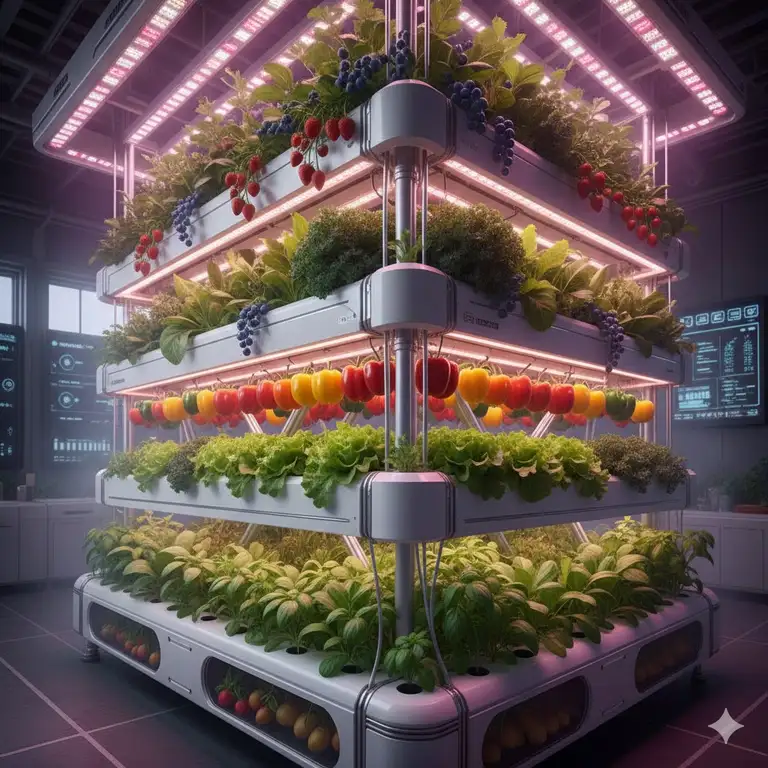
I remember the first time I saw a hydroponic setup. It was mind-blowing! No messy dirt, just roots dangling in water, and the plants looked unbelievably vibrant. It got me thinking: why aren’t more people embracing this incredible technology? If you’re looking for a comprehensive list of hydroponic fruits and vegetables you can grow right at home, you’ve landed in the right place. We’re going to dive deep into what makes soil-less gardening not just a trend, but a genuine game-changer for gardeners across the USA.
Hydroponics—the method of growing plants in water enriched with mineral nutrient solutions—offers a spectacular alternative to traditional soil gardening. It’s an approach that boasts faster growth rates, higher yields, and a drastic reduction in water usage, often up to 90% less than conventional farming. This means fresh, flavorful produce right from your kitchen, regardless of the season or your outdoor space.
✨Was this helpful? Spread the word! 🚀
This article isn’t just a simple rundown; it’s an expert’s deep dive, packed with data, product recommendations, and the kind of actionable insights you need to succeed. Furthermore, we’ll explore what hydroponic plants are, detail an extensive list of vegetables that grow in hydroponics, and cover the best hydroponic fruits and vegetables for beginners, ensuring you maximize your yield with minimal fuss.
Hydroponics vs. Traditional Gardening: A Quick Look
Before we get into the mouthwatering list of hydroponic fruits and vegetables, let’s quickly contrast hydroponics with the old-school soil methods. This helps to underscore why so many people, myself included, are making the switch. After all, seeing the difference is the first step to believing in the revolution.
| Feature | Hydroponics (Soilless) | Traditional Soil Gardening |
| Water Usage | Extremely low (up to 90% less) | High (significant runoff and evaporation) |
| Growth Rate | Significantly faster (30-50% faster) | Standard, dependent on environment |
| Pest/Disease Control | Easier, controlled environment | Challenging, soil-borne issues common |
| Yield Potential | Higher density and volume | Limited by soil health and space |
| Nutrient Control | Precise, tailored to the plant stage | Difficult to control; nutrient leaching common |
| Space Required | Very little (vertical systems possible) | Requires significant ground space |
| Environmental Impact | Lower, no pesticide/herbicide runoff | Higher, potential for nutrient runoff |
As you can see, the benefits of growing hydroponic fruits and vegetables are compelling. The ability to precisely control the nutrients—a concept called chemigation—means your plants get exactly what they need, exactly when they need it, leading to astonishing growth. Consequently, it’s a brilliant method for urban dwellers or anyone looking to embrace year-round gardening.
The Top 7 Hydroponic Systems: Expert Analysis & Product Deep Dive
Choosing the right system is just as crucial as selecting the right hydroponic fruits and vegetables to grow. Therefore, I’ve scoured Amazon to identify 7 of the best-selling, highest-rated complete hydroponic systems available to the USA audience. I focused on a range of options, from small countertop units perfect for leafy greens to larger setups capable of handling a substantial list of hydroponic vegetables and fruits.
Here is an analysis of the top systems, ensuring you can find the perfect match for your needs and budget. We’ll cover everything from technical specs to real-world customer feedback.
1. AeroGarden Bounty Elite
-
Type: Aeroponic/Deep Water Culture (DWC) Hybrid
-
Target: Countertop gardening, herbs, and leafy greens.
-
Detailed Technical Specifications:
-
Grow Capacity: 9 Pods
-
Lighting: 50W LED Grow Light
-
Max Grow Height: 24 inches
-
Control Interface: Touchscreen with Wi-Fi/App Control
-
Pump/Reservoir: Integrated pump; 1-gallon reservoir
-
Automation: Automatic lighting, nutrient reminders
-
-
Customer Review Analysis: Users frequently praise the AeroGarden Bounty Elite for its “set-it-and-forget-it” ease of use and its rapid growth rates. “The Wi-Fi connectivity makes it incredibly convenient for busy schedules,” one review stated. However, some advanced users note that the system is proprietary, requiring AeroGarden brand pods and nutrients, which can slightly increase running costs.
-
Warranty Information: 1-Year Limited Warranty.
-
Professional Applications: Educational settings, small-scale culinary uses in restaurants.
-
Pros/Cons Analysis:
-
✅ Pros: Extremely easy to set up; excellent for beginners; sleek design; powerful, adjustable LED light.
-
❌ Cons: Small capacity; high initial cost; proprietary supplies required.
-
2. Hydrofarm Hydroponic Jump Start 4-Foot T5 System
-
Type: Seed Starting/Cloning System
-
Target: Starting seeds for later transplant or growing microgreens.
-
Detailed Technical Specifications:
-
Lighting: Hydrofarm 4ft, 2-lamp T5 High Output Fluorescent fixture (54W per bulb)
-
Dimensions: 50 inches x 13 inches x 25 inches
-
Frame: Powder-coated steel stand; adjustable height
-
Tray: Heavy-duty plastic grow tray (no drainage)
-
Power: Standard 120V
-
-
Customer Review Analysis: The Hydrofarm Hydroponic Jump Start 4-Foot T5 System is lauded for its durability and effective light penetration, making it a reliable workhorse for starting a vast list of hydroponic fruits and vegetables from seed. “Perfect light spectrum for germination; all my seeds sprout within days,” an experienced grower commented. A common drawback is that it requires a separate timer for light cycle automation.
-
Warranty Information: 5-Year Warranty on Fixture, 1-Year on bulbs.
-
Professional Applications: Commercial nursery propagation, large-scale home seed starting.
-
Pros/Cons Analysis:
-
✅ Pros: Excellent value for large capacity seed starting; long-lasting T5 bulbs; robust, adjustable stand.
-
❌ Cons: Not a complete growing system (no nutrient reservoir/pump); requires manual light timer.
-
3. VIVOSUN 4×4 Grow Tent Kit with VS4000 LED
-
Type: Deep Water Culture (DWC) or Soil Alternative (Tent Enclosure)
-
Target: Large-scale, privacy-controlled indoor growing of fruits, vegetables, and flowers.
-
Detailed Technical Specifications:
-
Tent Size: 48 inches x 48 inches x 80 inches
-
Lighting: VIVOSUN VS4000 400W LED Grow Light (Samsung LM301B Diodes, Dimmable)
-
Ventilation: 6-inch Inline Fan and Carbon Filter Combo
-
Material: 600D Tear-Proof Oxford Cloth; 98% Reflective Mylar
-
Frame: High-strength metal poles and corner connectors
-
-
Customer Review Analysis: Users appreciate the comprehensive nature of the VIVOSUN 4×4 Grow Tent Kit with VS4000 LED, noting that it provides everything necessary for environmental control. The tent is often described as “light-proof and surprisingly easy to assemble,” although some novices find the ducting and fan setup a bit complex initially. It’s ideal for people looking to maximize their hydroponic vegetables and fruits yield.
-
Warranty Information: 3-Year Warranty on LED Light, 1-Year on Tent and Fan.
-
Professional Applications: High-yield personal cannabis cultivation (where legal), research and development of specialized produce.
-
Pros/Cons Analysis:
-
✅ Pros: Complete environmental control (light, humidity, CO2); high-quality, energy-efficient LED; great privacy.
-
❌ Cons: Large footprint; complex initial setup; high upfront cost.
-
4. ISELECTOR Hydroponics Growing System
-
Type: Deep Water Culture (DWC) – 12 sites
-
Target: Beginners and small-scale growing of herbs, lettuces, and strawberries.
-
Detailed Technical Specifications:
-
Grow Capacity: 12 Pods (sites)
-
Lighting: 24W Full-Spectrum LED Lamp
-
Max Grow Height: 15 inches
-
Control Interface: Simple On/Off switch, fixed light cycle (14h on/10h off)
-
Reservoir: 1-gallon BPA-free plastic tank
-
Air/Water System: Air stone and integrated air pump
-
-
Customer Review Analysis: The simplicity of the ISELECTOR Hydroponics Growing System is a consistent highlight. It’s often recommended as a great, budget-friendly way to introduce yourself to a list of hydroponic fruits and vegetables. “It’s a fantastic starter kit for growing lettuce and basil; the pump is quiet,” noted a new user. The main drawback is the limited height, which restricts the list of vegetables that grow in hydroponics to smaller varieties.
-
Warranty Information: 90-Day Money Back Guarantee, 1-Year Limited Warranty.
-
Professional Applications: Classroom demonstrations, small kitchen herb gardens.
-
Pros/Cons Analysis:
-
✅ Pros: Very affordable; easy to assemble and operate; quiet air pump.
-
❌ Cons: Low light intensity (24W); limited grow height (15 inches); fixed light schedule.
-
5. General Hydroponics WaterFarm Grow Module
-
Type: Drip/Recirculating Hydroponic System
-
Target: Growing larger, single plants like tomatoes, peppers, or squash.
-
Detailed Technical Specifications:
-
Grow Capacity: 1 Plant Site
-
Dimensions: 12 inches x 12 inches x 15 inches
-
Reservoir: 4-gallon reservoir
-
Pump/Irrigation: Submersible pump and drip ring assembly
-
Media: Clay pebbles (included)
-
Expansion: Designed to connect easily into a larger array (General Hydroponics EcoFarm)
-
-
Customer Review Analysis: The General Hydroponics WaterFarm Grow Module is praised for its robust, reliable design and its effectiveness in growing high-yielding, fruiting hydroponic fruits and vegetables. The system’s passive design requires less maintenance than fully automated systems. “Built like a tank and perfect for my single tomato plant; great for peppers,” an experienced hydroponic vegetables and fruits enthusiast mentioned. The size and shape can be a bit awkward for small spaces, however.
-
Warranty Information: 5-Year Limited Warranty on plastic components.
-
Professional Applications: Commercial propagation of large vining plants, small batch experimental growing.
-
Pros/Cons Analysis:
-
✅ Pros: Extremely reliable; excellent for large, fruiting plants; easy to expand into a larger system.
-
❌ Cons: Requires separate purchase of light; only one plant per unit; manual nutrient replenishment.
-
6. Spider Farmer SE5000 LED Grow Light
-
Type: Lighting-Only Solution (LED Fixture)
-
Target: High-intensity primary light source for 4×4 grow areas.
-
Detailed Technical Specifications:
-
Lighting Type: Bar Style LED (Samsung LM301B Diodes)
-
Power Draw: 480W
-
Coverage: 4×4 feet (veg), 3×3 feet (flower)
-
PPFD Output: High, uniform light distribution (PPFD > 1200 at 12 inches)
-
Features: Dimmable driver, Passive Cooling (no fans)
-
-
Customer Review Analysis: Although the Spider Farmer SE5000 LED Grow Light is only a component, it’s a critical piece for a successful list of hydroponic fruits and vegetables garden. Reviewers consistently highlight its massive power and incredibly uniform light spread, which eliminates hotspots. “This light is a beast; it drastically increased the density and yield of my peppers,” a long-term hydroponic gardener wrote. The main downside is the heat output, which can require more substantial ventilation.
-
Warranty Information: 5-Year Warranty.
-
Professional Applications: Primary lighting in commercial vertical farms and large home grow operations.
-
Pros/Cons Analysis:
-
✅ Pros: Extremely powerful and efficient; ideal spectrum for all growth stages; silent, passive cooling.
-
❌ Cons: High initial cost; significant heat generation requires good ventilation.
-
7. Lettuce Grow Farmstand Nook
-
Type: Vertical Aeroponic/NFT Hybrid
-
Target: Space-saving, high-capacity growing of leafy greens and smaller list of hydroponic fruits and vegetables.
-
Detailed Technical Specifications:
-
Grow Capacity: 20 Plants (5 tiers)
-
Dimensions: 2.5 feet diameter x 4 feet height
-
Pump/System: Submersible pump, recirculating design
-
Material: Food-grade, BPA-free, and FDA-approved plastic
-
Accessories: Lettuce Grow Glow Rings (Full Spectrum LED) are optional but recommended for indoors.
-
-
Customer Review Analysis: The aesthetics and minimal footprint of the Lettuce Grow Farmstand Nook are overwhelmingly praised. Users love its “simple elegance and the huge amount of produce you can get in a small area.” It’s especially popular with people looking for a decorative and functional indoor garden. However, the system relies on specialized, dome-shaped cups, and the optional lights add significantly to the overall cost.
-
Warranty Information: 1-Year Limited Warranty.
-
Professional Applications: High-end kitchens, office spaces, and boutique markets.
-
Pros/Cons Analysis:
-
✅ Pros: Extremely space-efficient (vertical); attractive design; high plant capacity.
-
❌ Cons: Lights are a separate, costly add-on; system is relatively heavy when full of water; requires specific proprietary seedlings/supplies.
-
✨ Don’t Miss These Exclusive Deals!
🔍 Take your hydroponic growing to the next level with these carefully selected products. Click on any highlighted item to check current pricing and availability. These tools will help you create a thriving indoor garden you’ll be proud of!
💬 Just one click – help others make better buying decisions too!😊
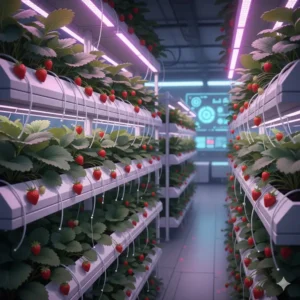
Table 1: Technical Specifications Matrix of Top Hydroponic Systems
To truly grasp the differences between these systems and make an educated choice for your own list of hydroponic fruits and vegetables, let’s lay out the key specs in an easy-to-digest matrix.
| Product Name | Type | Capacity (Sites/Area) | Max Plant Height | Lighting (Included?) | Best For |
| AeroGarden Bounty Elite | Aeroponic/DWC | 9 Pods | 24 inches | 50W LED (Yes) | Herbs & Countertop Greens |
| Hydrofarm Hydroponic Jump Start 4-Foot T5 System | Cloning/Seed Starting | 4-foot area | 25 inches | 108W T5 HO (Yes) | Seed Starting & Microgreens |
| VIVOSUN 4×4 Grow Tent Kit with VS4000 LED | Enclosure (DWC/Soil) | 16 sq. ft. | 80 inches | 400W LED (Yes) | High-Yield Fruits & Veggies |
| ISELECTOR Hydroponics Growing System | DWC | 12 Pods | 15 inches | 24W LED (Yes) | Beginners & Small Herbs |
| General Hydroponics WaterFarm Grow Module | Drip/Recirculating | 1 Plant Site | Unlimited (External) | No | Large, Vining Plants (Tomatoes) |
| Spider Farmer SE5000 LED Grow Light | LED Fixture | 16 sq. ft. | N/A | Yes (480W LED) | Advanced Growers; Primary Lighting |
| Lettuce Grow Farmstand Nook | Vertical Aeroponic | 20 Plants | 48 inches | No (Optional Add-on) | Space-Saving, High-Density Greens |
Table 2: Budget vs. Premium Comparison
When you’re starting out, budget is always a factor. Therefore, this comparison helps you weigh the value proposition of each system against its initial investment, providing context for growing your ideal list of hydroponic fruits and vegetables.
| Product Name | Category | Primary Benefit | Complexity Level | Customization | Value for Money |
| ISELECTOR Hydroponics Growing System | Budget | Low Entry Cost | Very Low | Low | High for Beginners |
| Hydrofarm Hydroponic Jump Start 4-Foot T5 System | Budget/Mid-Range | Excellent Seed Starting | Low | Medium | High for Propagation |
| General Hydroponics WaterFarm Grow Module | Mid-Range | Reliability & Expansion | Medium | High | Excellent for Large Plants |
| AeroGarden Bounty Elite | Premium | Ease of Use & Aesthetics | Very Low (Automated) | Low (Proprietary) | High for Convenience |
| Lettuce Grow Farmstand Nook | Premium | Space Efficiency & Design | Medium | Low (Proprietary) | Good for Urban/Aesthetic Use |
| VIVOSUN 4×4 Grow Tent Kit with VS4000 LED | Premium/Advanced | Full Environmental Control | High | Very High | Excellent for Maximum Yield |
| Spider Farmer SE5000 LED Grow Light | Advanced Component | Powerful, Uniform Light | N/A (Light only) | High | Excellent for Professional Results |
Table 3: Key Features and Benefits Comparison
The “bells and whistles” often define the user experience. This comparison focuses on the unique features of each system to help you determine which one will make growing your favorite hydroponic fruits and vegetables the easiest and most enjoyable.
| Product Name | Key Automation Feature | Unique System Advantage | Optimal Plant Focus | Noise Level | Maintenance Frequency |
| AeroGarden Bounty Elite | Wi-Fi/App control, Nutrient alerts | “Set-and-Forget” design | Small Herbs and Salads | Very Low | Monthly |
| Hydrofarm Hydroponic Jump Start 4-Foot T5 System | N/A (Manual Timer Required) | Wide, uniform light coverage | Seedlings and Microgreens | N/A | N/A (Light only) |
| VIVOSUN 4×4 Grow Tent Kit with VS4000 LED | Environmental control (ventilation) | Completely isolated ecosystem | High-light demanding fruits | Medium (Fan Noise) | Low/Moderate |
| ISELECTOR Hydroponics Growing System | Fixed 14-hour light cycle | Simplicity and budget price | Small Herbs and Lettuce | Very Low | Monthly |
| General Hydroponics WaterFarm Grow Module | Recirculating Drip Feed | Reliability, low-clog drip ring | Large Peppers, Cucumbers | Low | Weekly/Bi-Weekly |
| Spider Farmer SE5000 LED Grow Light | Dimmable and daisy-chainable | Extremely high PAR output | High-yield, flowering crops | Silent (Passive) | N/A (Light only) |
| Lettuce Grow Farmstand Nook | Water-level monitoring (with App) | Vertical, highly decorative design | Lettuce, Kale, Strawberries | Low | Weekly/Bi-Weekly |
Table 4: User Compatibility and Skill Requirements
Understanding the learning curve is crucial. This table ranks the products by the level of expertise required to successfully grow a diverse list of hydroponic fruits and vegetables.
| Product Name | Skill Level Required | Ideal User Profile | Time Commitment | Setup Difficulty | Scalability |
| AeroGarden Bounty Elite | Beginner | Busy professional, kitchen gardener | Low | Very Easy | Low |
| ISELECTOR Hydroponics Growing System | Beginner | Student, first-time grower, budget-conscious | Low | Easy | Low |
| Lettuce Grow Farmstand Nook | Intermediate | Design-focused urban gardener, family activity | Medium | Moderate | Medium |
| General Hydroponics WaterFarm Grow Module | Intermediate | Experienced traditional gardener, experimentalist | Medium | Moderate | High |
| Hydrofarm Hydroponic Jump Start 4-Foot T5 System | Intermediate | High-volume seed starter, microgreen producer | Medium | Moderate | High |
| Spider Farmer SE5000 LED Grow Light | Advanced | DIY builder, maximizing yield, technical grower | High | Difficult (Wiring/Mounting) | Very High |
| VIVOSUN 4×4 Grow Tent Kit with VS4000 LED | Advanced | Commercial mindset, controlling every variable | High | Difficult (Installation) | High |
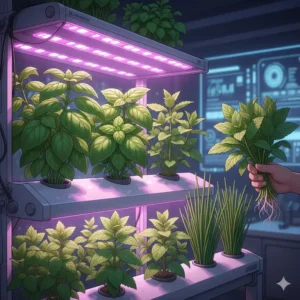
The Definitive List of Hydroponic Fruits and Vegetables
So, what are you actually going to grow? The beauty of hydroponics is the sheer list of hydroponic fruits and vegetables that thrive in a soilless environment. We’ll categorize these based on ease of growth, which will help you, especially if you’re just dipping your toes into the world of hydroponic vegetables and fruits.
Category 1: Easy-to-Grow (Best for Beginners) 🥬
These are the heroes of the hydroponic world. They have shallow root systems, fast growth cycles, and require relatively low light, making them perfect for smaller, lower-wattage systems like the ISELECTOR Hydroponics Growing System or the AeroGarden Bounty Elite. Furthermore, they are excellent entry points for learning nutrient management.
-
Lettuce (Especially Butterhead, Romaine, and Leafy Greens): These are arguably the most popular and easiest hydroponic crops. They mature incredibly fast, often allowing for harvest within 4-6 weeks. They don’t need a super strong light, making them ideal for vertical NFT (Nutrient Film Technique) or DWC (Deep Water Culture) systems.
-
Herbs (Basil, Mint, Chives, Oregano): A constantly fresh supply of herbs is one of the best reasons to start hydroponics! Basil, in particular, grows like a weed in hydroponics. You’ll find yourself trimming basil almost daily during peak growth. They tolerate the same mild nutrient solutions as lettuce.
-
Kale and Swiss Chard: These leafy greens are very forgiving and handle slightly warmer temperatures better than pure lettuce. They provide a steady, continuous harvest—just pick the outer leaves and let the inner leaves continue to grow. This continuous harvesting potential greatly increases your usable list of hydroponic vegetables and fruits.
Category 2: Intermediate (Requires Moderate Light and Support) 🌶️
Once you’ve mastered the leafy greens, you’ll naturally want to move on to plants that bear fruit. These plants have a longer growing season and require more robust lighting—like the Spider Farmer SE5000 LED Grow Light—and generally, a higher concentration of nutrients, particularly phosphorus and potassium, to support flowering and fruiting.
-
Strawberries: These are an incredibly rewarding crop, and they do exceptionally well in vertical aeroponic systems like the Lettuce Grow Farmstand Nook. The key is temperature control and using the right nutrient formulation to encourage the perfect balance of foliage and fruit. This is a highly sought-after item on any list of hydroponic fruits and vegetables.
-
Bell Peppers and Chili Peppers: Peppers love the steady, nutrient-rich environment of DWC systems (perhaps in a controlled environment like the VIVOSUN 4×4 Grow Tent Kit with VS4000 LED). They need strong light and consistent pruning to encourage bushier growth and higher yields. They are technically a fruit, but often listed in the list of vegetables that grow in hydroponics!
-
Bush Beans: Unlike vining beans, bush varieties are more manageable in terms of vertical space. They prefer a deep-water or drip system and a support structure, but they provide a fast, nutritious crop.
Category 3: Advanced (High Light, Long Season, Complex Pruning) 🍅
These plants demand precision in nutrient management, powerful lighting, and often significant vertical or horizontal space. They are best suited for systems like the General Hydroponics WaterFarm Grow Module paired with a high-intensity light.
-
Tomatoes (Especially Cherry and determinate varieties): Hydroponic tomatoes are famous for their amazing flavor and yield. However, they need strong light, a stable EC/pH, and frequent pruning/trellising. Getting the nutrients right for the transition from vegetative to fruiting stage is the biggest challenge.
-
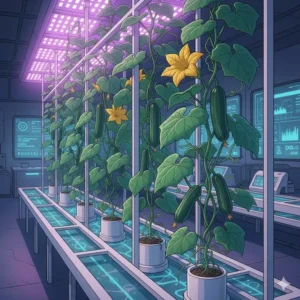
Cucumbers: Similar to tomatoes, cucumbers are heavy feeders and require robust support. They are fast-growing and incredibly productive, yielding a fantastic addition to your list of hydroponic vegetables and fruits. Always choose smaller, bushier varieties like Bush Pickle for space efficiency.
-
Squash (Summer Squash like Zucchini): While possible, vining squash can take up a huge amount of space, even when trellised. They are heavy feeders and are best grown in large, dedicated systems where their rapid, expansive growth can be managed.
Addressing the Secondary Keywords: Deep Dive
We’ve covered the general categories, but let’s give special attention to the core secondary keywords to ensure you have all the necessary knowledge.
What Hydroponic Plants Are (The Mechanism of Growth) 🧪
Hydroponic plants aren’t a different species; they are simply plants grown in a different way. The core difference lies in how they receive their essential elements. In soil, the roots must forage, expend energy, and often compete with soil microbes to absorb nutrients. In hydroponics, those nutrients are dissolved directly into the water, delivered right to the root zone in a readily available ionic form.
This immediate access to food is what makes the growth rate so explosive. This technique eliminates soil-borne diseases, reduces water stress, and allows for year-round harvesting, which fundamentally changes how we interact with our list of hydroponic fruits and vegetables.
List of Vegetables That Grow in Hydroponics (Beyond the Basics) 🥕
While we’ve highlighted the easy ones, the list of vegetables that grow in hydroponics is extensive. You can also successfully cultivate:
-
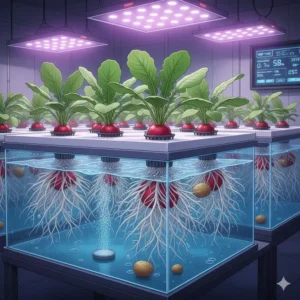
Root Crops: Believe it or not, carrots, radishes, and even smaller potatoes can be grown hydroponically. The key is to use an inert medium (like coco coir or perlite) instead of just water, and a system like DWC or a drip system that provides enough physical support for the tuber/root to develop.
-
Flowering Vegetables: Broccoli, Cauliflower, and Cabbage are also excellent additions. They take up more space and have a longer vegetative cycle than lettuce but produce dense, high-value harvests.
Hydroponic Fruits and Vegetables (Focusing on Fruiting Crops) 🍇
Fruiting crops are the ultimate goal for many growers. The challenge with hydroponic fruits and vegetables is managing the light and nutrient transition.
-
Vegetative Stage (Growth): Requires high Nitrogen (N) to build strong stems and leaves.
-
Fruiting/Flowering Stage: Requires high Phosphorus (P) and Potassium (K) to support bloom and fruit development.
The nutrient switch is critical for success with items like hydroponic tomatoes and hydroponic strawberries. If you don’t increase P and K at the right time, you’ll end up with a huge, leafy plant and very little fruit. It’s all about timing and precision, something that DWC systems like the General Hydroponics WaterFarm Grow Module excel at providing.
Designing Your Perfect Hydroponic Garden
Now that you know the list of hydroponic fruits and vegetables and the systems available, let’s talk about putting it all together. Success in hydroponics is largely a factor of careful planning and monitoring.
Environmental Control: The Pillars of Success 🌡️
Unlike outdoor gardening where you’re at the mercy of Mother Nature, you are the god of your indoor garden. The success of your list of vegetables that grow in hydroponics hinges on controlling these four factors:
-
Light (PPFD/DLI): This is the engine of plant growth. You need a strong, full-spectrum light source, especially for fruiting plants. PPFD (Photosynthetic Photon Flux Density) measures the light intensity that reaches your plants, and this is why a powerful fixture like the Spider Farmer SE5000 LED Grow Light is critical for high-yield, premium crops.
-
Nutrients (EC/PPM): EC (Electrical Conductivity) or PPM (Parts Per Million) measures the concentration of salts (nutrients) in your water. Too low, and the plants starve; too high, and you can get nutrient burn. Different hydroponic fruits and vegetables have different EC needs. For example, lettuce prefers a lower EC (around 0.8–1.2), while tomatoes thrive on a much higher EC (2.0–3.5).
-
pH Level: This is how acidic or alkaline your nutrient water is. Most plants prefer a slightly acidic range of pH \ 5.5 – 6.5. If the pH is too high or too low, the plant cannot absorb essential elements, even if they are present in the water. Monitoring the pH daily is a non-negotiable step for any serious grower.
-
Air Temperature and Humidity (VPD): VPD (Vapor Pressure Deficit) is the difference between the moisture in the leaf and the moisture in the air. This dictates how fast the plant transpires (moves water/nutrients). For leafy greens, a cooler temperature and higher humidity (around 60–70%) are ideal. For fruiting plants, a warmer environment and slightly lower humidity (40–60%) are often necessary. A grow tent kit like the VIVOSUN 4×4 Grow Tent Kit with VS4000 LED allows you to precisely manage this.
Table 5: Nutrient Requirements for Key Hydroponic Fruits and Vegetables
| Crop Type | EC (PPM equivalent) Range | Ideal pH Range | Key Nutrient Focus | Growth Time (Approximate) |
| Lettuce/Greens | 0.8 – 1.2 (≈ 560 – 840 PPM) | 5.5 – 6.0 | Nitrogen (N) | 4 – 6 Weeks |
| Herbs (Basil, Mint) | 1.0 – 1.6 (≈ 700 – 1120 PPM) | 5.5 – 6.5 | Nitrogen (N) | 4 – 8 Weeks (Continuous) |
| Strawberries | 1.2 – 1.8 (≈ 840 – 1260 PPM) | 5.8 – 6.2 | Potassium (K) & Phosphorus (P) | 8 – 10 Weeks to First Harvest |
| Peppers/Chilis | 1.8 – 2.5 (≈ 1260 – 1750 PPM) | 5.8 – 6.5 | High P & K during fruiting | 10 – 16 Weeks |
| Tomatoes | 2.0 – 3.5 (≈ 1400 – 2450 PPM) | 5.5 – 6.0 | High K during fruiting, Calcium | 12 – 20 Weeks |
| Cucumbers | 1.7 – 2.5 (≈ 1190 – 1750 PPM) | 5.5 – 6.0 | Balanced N-P-K (Heavy Feeder) | 8 – 12 Weeks |
Buying Guide: Choosing Your Hydroponic Path
Choosing the right system for your list of hydroponic fruits and vegetables comes down to balancing your goals with your resources (space, budget, and time).
Path 1: The Quick-Start Kitchen Gardener 🧑🍳
-
Goal: Fresh herbs and salad greens year-round. Low maintenance.
-
Ideal System: Countertop DWC or Aeroponic (e.g., AeroGarden Bounty Elite or ISELECTOR Hydroponics Growing System).
-
Why: These systems are fully contained, highly automated, and require minimal intervention. They are perfect for small, easy-to-grow items on your list of hydroponic fruits and vegetables. You simply plug it in, add water, and wait.
Path 2: The High-Yield Enthusiast 🏆
-
Goal: Maximum output of hydroponic vegetables and fruits, including peppers and tomatoes.
-
Ideal System: Grow Tent setup with DWC or Ebb & Flow (e.g., VIVOSUN 4×4 Grow Tent Kit with VS4000 LED).
-
Why: These setups give you total control over the environment. If you want to grow five massive tomato plants, this is the way. They require a higher initial investment and a greater understanding of environmental controls, but the yields are spectacular.
Path 3: The Specialized Grower 🍓
-
Goal: Growing specific, large, or vertical-space crops like vining tomatoes, cucumbers, or a large batch of strawberries.
-
Ideal System: Modular Drip/Recirculating systems (e.g., multiple General Hydroponics WaterFarm Grow Module units) or Vertical Aeroponic (e.g., Lettuce Grow Farmstand Nook).
-
Why: Modular systems allow you to scale horizontally or vertically as needed and dedicate a 4-gallon reservoir to a single, heavy-feeding plant, ensuring maximum nutrient availability. This is the best approach for long-term production from your list of vegetables that grow in hydroponics.
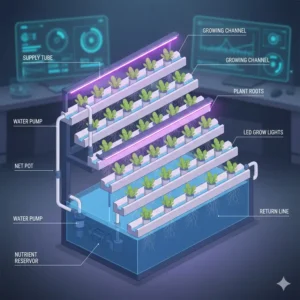
Beyond the Basics: Lesser-Known Alternatives
While the market is dominated by big names, there are always high-quality, lesser-known alternatives and variants that offer specific advantages, catering to niche needs within the list of hydroponic fruits and vegetables growing.
Alternative 1: The Dutch Bucket System
-
System Type: Recirculating Drip System (Often DIY or modular).
-
Advantages: Exceptional for large, vining plants like hydroponic tomatoes and cucumbers. They use perlite or coco coir as media, offering great support. The General Hydroponics WaterFarm Grow Module is a commercial take on this concept.
-
User Profile: Growers who want to scale their production without a massive initial investment in a fixed system.
Alternative 2: Deep Water Culture (DWC) Buckets (The Simplest Hydro)
-
System Type: Non-recirculating Deep Water Culture.
-
Advantages: Incredibly simple. One 5-gallon bucket, an air stone, and a net pot. That’s it. This low-tech approach is one of the most cost-effective ways to grow any item on the list of vegetables that grow in hydroponics. It’s perfect for single-plant, large-yield experiments.
-
User Profile: Budget-conscious, experimental growers.
Alternative 3: Living Wall NFT Systems
-
System Type: Nutrient Film Technique (NFT) for vertical mounting.
-
Advantages: Maximum use of vertical space, highly aesthetic. The thin film of nutrient solution flows over the roots. Excellent for leafy greens and herbs.
-
User Profile: Urban apartment dwellers, commercial operations looking for a living art piece/garden. These systems make the best use of a grow light like the Spider Farmer SE5000 LED Grow Light by maximizing the light’s footprint.
Table 6: Cost and Performance Comparison of Hydroponic Approaches
This table summarizes the trade-offs between different system categories, helping you decide where to put your time and money in creating your perfect list of hydroponic fruits and vegetables.
| Approach | Typical Initial Cost | Ease of Operation | Yield Potential | Ideal Crops | Key Maintenance |
| Countertop (AeroGarden, ISELECTOR) | High (per plant) | Very Easy | Low | Herbs, Greens | Monthly reservoir change |
| DWC Bucket Systems | Low (per plant) | Easy | Medium/High | Greens, Peppers | Weekly pH/EC check |
| Dutch Bucket (WaterFarm) | Moderate (per plant) | Medium | High | Tomatoes, Cucumbers | Daily check of drip system |
| Vertical Farmstand (Lettuce Grow) | High | Medium | Medium/High (Greens) | Greens, Strawberries | Weekly nutrient replenishment |
| Tent-Based/Commercial (VIVOSUN) | Very High | Advanced | Very High | All hydroponic fruits and vegetables | Daily environmental monitoring |
Dive Deeper into the World of Hydroponics! 💡
-
For an excellent breakdown of the nutrient science behind these systems, check out the resources from the University of Arizona’s Controlled Environment Agriculture Center: Outbound Link 1: University of Arizona CEAC.
-
To understand the difference between the various hydroponic techniques, including DWC, NFT, and Aeroponics, the Cornell University College of Agriculture and Life Sciences offers superb guides: Outbound Link 2: Cornell University Hydroponics.
-
For the latest in LED technology and its impact on plant photomorphogenesis, which is critical for your list of hydroponic fruits and vegetables, a resource like the USDA’s Agricultural Research Service is very helpful: Outbound Link 3: USDA ARS Research on Plant Lighting.
🛒 Start Your Hydroponic Journey Today! 🚀
Don’t wait to taste the difference! Click on the links above for the AeroGarden Bounty Elite, General Hydroponics WaterFarm Grow Module, and the VIVOSUN 4×4 Grow Tent Kit with VS4000 LED to check the latest prices and read more reviews. Your perfect list of vegetables that grow in hydroponics is just a click away!
Conclusion: The Future is Soilless 🌱
The world of hydroponics is not just a hobby; it’s an evolution in how we approach food security and freshness. By exploring this comprehensive list of hydroponic fruits and vegetables, you’ve taken the first step toward becoming a modern, efficient grower. The ability to grow fresh, pesticide-free produce year-round, regardless of weather or season, is an incredible power.
Whether you start small with the simplicity of the AeroGarden Bounty Elite for some basil and lettuce or go all-in with a VIVOSUN 4×4 Grow Tent Kit with VS4000 LED to master high-yield hydroponic fruits and vegetables, the journey is rewarding. I can personally vouch for the flavor difference—you simply can’t beat a home-grown hydroponic tomato!
Ready to transform your kitchen or spare room into a productive farm?
Frequently Asked Questions
✅ The easiest hydroponic crops are leafy greens and herbs, specifically butterhead lettuce, romaine, and basil. These plants have shallow roots, a fast lifecycle (4-6 weeks), and tolerate a wide range of nutrient concentrations, making them perfect for entry-level DWC or countertop systems without needing intense light or complex pruning…
✅ Yes, you can grow large fruiting vegetables like tomatoes and peppers hydroponically, but it requires powerful lighting and careful nutrient management. These crops, such as a hydroponic tomato, need high intensity, full-spectrum light (around 400W LED per 16 sq. ft.) and a higher concentration of Phosphorus and Potassium during the flowering and fruiting stages…
✅ Initially, no, due to the upfront cost of equipment like pumps, lights, and reservoirs. However, over time, a high-yield system becomes cost-effective due to year-round production, reduced waste, and the high-value of specialty crops like hydroponic strawberries and gourmet greens. The return on investment usually starts after the first 12-18 months of continuous use…
❓ What is the easiest list of hydroponic fruits and vegetables for a beginner to grow?
❓ Can you grow large fruiting vegetables like tomatoes and peppers hydroponically?
❓ What is the most critical factor for successfully growing a diverse list of vegetables that grow in hydroponics?
❓ Is it cheaper to grow my list of hydroponic fruits and vegetables at home than buying from the store?
❓ What are the typical yield benefits of hydroponic growing compared to traditional soil methods?
Recommended for You
- Best Container Tomatoes: 7 Top Varieties for Big Harvests in 2025
- Seeds for Container Gardening: 7 Best Picks You Need
- Best DWC System of 2025: 7+ Expert Reviews for Explosive Growth
Disclaimer: This article contains affiliate links. If you purchase products through these links, we may earn a small commission at no additional cost to you.
✨ Found this helpful? Share it with your friends! 💬🤗