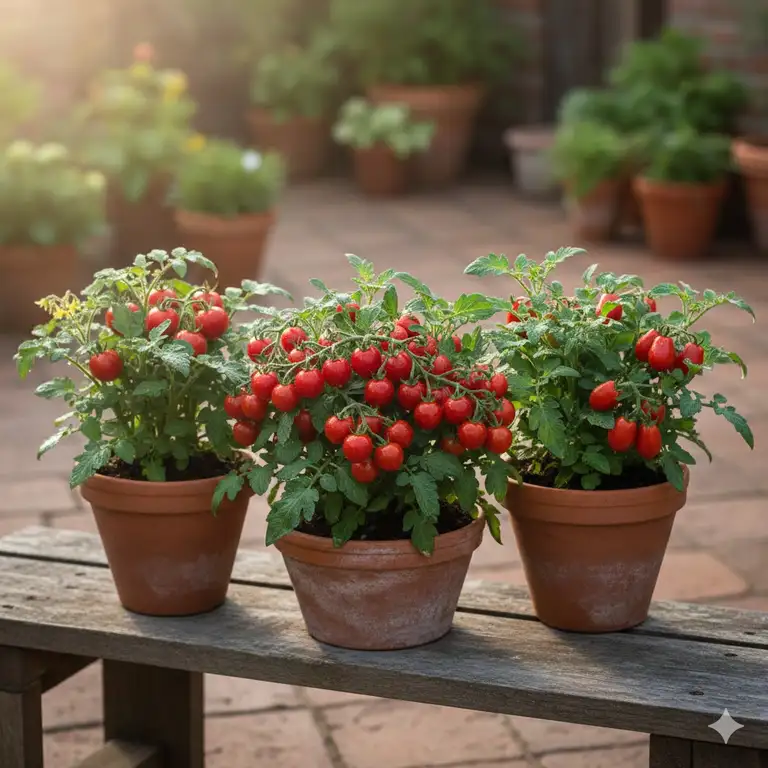
Welcome, fellow gardening enthusiasts! I’m thrilled you’re here, because today, we’re diving deep into a topic that combines two of my greatest passions: juicy, sun-ripened tomatoes and the space-saving magic of container gardening. Growing tomatoes in pots—or container tomatoes, as they are often called—is not just a compromise for those without a sprawling backyard; it’s a dedicated art form that, when done right, yields a surprisingly abundant and flavorful harvest.
The secret to success, however, lies in one critical choice: selecting the correct pot tomato varieties. Not all tomatoes are created equal when it comes to life in a confined space. Trying to grow a massive, indeterminate slicing tomato in a 5-gallon pot is an exercise in frustration that will likely result in disappointment. Instead, we need to look for specific characteristics—namely, determinate or bush varieties—that thrive in the restricted root zone of a pot.
✨Was this helpful? Spread the word! 🚀
[addtoany]
This comprehensive guide is the result of years of hands-on experience and extensive research. I’ve sifted through the thousands of available options to bring you an expert analysis of the best pot tomato varieties on the market today. We’ll cover everything from technical specifications to customer feedback, ensuring you have the knowledge and confidence to transform your balcony, patio, or small yard into a tomato-producing powerhouse.
Quick Comparison: Pot Tomato Varieties vs. Field-Grown Favorites
When you’re thinking about your next tomato-growing adventure, it’s important to understand the fundamental differences between types. Choosing the right kind of tomato for your pot is the first, and most important, step toward a successful harvest.
| Feature | Best Pot Tomato Varieties (Determinate/Bush) | Traditional Field-Grown (Indeterminate) | Impact on Container Gardening |
| Growth Habit | Determinate (Bushy, stops growing at a certain height) | Indeterminate (Vining, grows and produces fruit until frost) | ✅ Better: Requires less staking/caging; fits better in confined spaces. |
| Container Size | Can tolerate 5-10 gallon pots/containers | Requires very large containers (15+ gallons) or in-ground planting | ✅ Better: Smaller root systems are happier in smaller, manageable pots. |
| Harvest Time | Concentrated harvest, ripens fruit over a 2-4 week period | Extended harvest, fruit ripens over the entire season | 🔄 Trade-off: Great for canning/sauce; less for continuous daily salads. |
| Required Support | Minimal to moderate support (small cage or stake) | Extensive, robust support (tall cages, trellises, strong stakes) | ✅ Better: Easier to manage and move containers without elaborate structures. |
| Fruit Size | Typically cherry, grape, or small to medium-sized slicers | Can produce very large beefsteak and slicing tomatoes | 🔄 Trade-off: Pot varieties often prioritize quantity and flavor over maximum size. |
🥇 Top 7 Pot Tomato Varieties: Expert Analysis
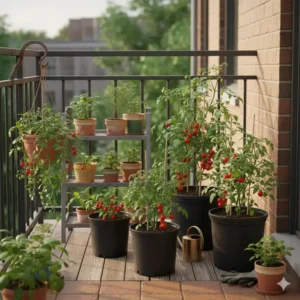
I’ve scoured the market for the most reliable, high-performing seeds and plants available on Amazon and other reputable nurseries, focusing on varieties specifically bred for container success. Here are the top 7 pot tomato varieties that consistently deliver exceptional results for the US-based gardener. I’ve concentrated on seeds or kits that are readily available to ensure you can start your own project immediately.
1. Micro Tom Tomato Seeds (Micro-Dwarf)
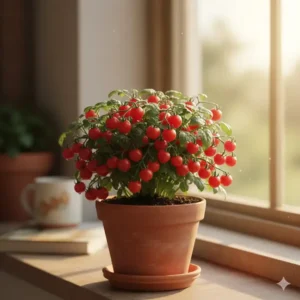
The Micro Tom Tomato Seeds (Micro-Dwarf) are truly revolutionary for tiny spaces. This is arguably the smallest tomato plant available, peaking at a mere 6 to 8 inches tall. It’s perfect for windowsills, small apartment balconies, or even desktop gardening.
-
Technical Specifications:
-
Growth Habit: Super-Determinate/Micro-Dwarf.
-
Mature Height: 6-8 inches.
-
Fruit Type: Cherry.
-
Fruit Size: 0.5 inches (tiny).
-
Days to Maturity (DTM): Approximately 50-60 days.
-
Ideal Pot Size: 1-2 quarts (or a 6-inch pot).
-
-
Customer Review Analysis: Customers consistently praise the Micro Tom Tomato Seeds (Micro-Dwarf) for its fast production and genuinely tiny size, making it a favorite for indoor gardening or small pot tomato experimental setups. However, the flavor is often described as “mild” compared to traditional varieties, which is a common trade-off for speed and compactness.
-
Warranty Information: Standard seed guarantee for germination, but no extended plant warranty due to the nature of the product.
-
Professional Applications: Ideal for culinary schools or restaurants wanting a year-round, hyper-local, pot tomato garnish grown right on the counter.
-
Pros/Cons Analysis:
-
Pros: Extremely small and compact; very fast to mature; requires almost no support.
-
Cons: Very small yield per plant; mild flavor profile; plants need to be frequently replaced.
-
2. ‘Tumbler’ F1 Hybrid Tomato Seeds
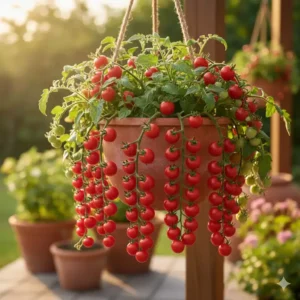
This is the gold standard for hanging baskets and window boxes. The ‘Tumbler’ F1 Hybrid Tomato Seeds create a spectacular cascading effect, making them a beautiful, edible focal point. They are incredibly prolific, producing hundreds of sweet, bright red cherry tomatoes.
-
Technical Specifications:
-
Growth Habit: Semi-Determinate/Trailing (Specifically bred for hanging baskets).
-
Mature Height/Spread: Trails 12-18 inches over the edge of a container.
-
Fruit Type: Cherry.
-
Fruit Size: 1.25 inches.
-
DTM: Approximately 50-55 days.
-
Ideal Pot Size: 10-14 inch hanging basket or 5-gallon container.
-
-
Customer Review Analysis: Reviewers are ecstatic about the sheer volume of fruit the ‘Tumbler’ F1 Hybrid Tomato Seeds produce, often describing the plant as “covered in tomatoes.” A recurring theme is the excellent, sweet flavor and the early production date. Some note the need for very consistent watering due to the container’s exposure.
-
Warranty Information: Typically covered by standard F1 hybrid seed guarantees from reputable suppliers.
-
Professional Applications: Popular with market farmers for high-value hanging basket sales and for decorating patios at farm-to-table restaurants.
-
Pros/Cons Analysis:
-
Pros: Outstanding yield; excellent flavor; perfect for hanging baskets; very early harvest.
-
Cons: Requires a specific trailing setup (hanging basket or raised edge); needs diligent watering.
-
3. BushSteak Tomato Seeds
The BushSteak Tomato Seeds variety offers a taste of the big leagues for container gardeners. This is a compact, determinate bush that manages to produce surprisingly large, flavorful slicing tomatoes, making it a star among pot tomato varieties.
-
Technical Specifications:
-
Growth Habit: Determinate/Compact Bush.
-
Mature Height: 24-30 inches.
-
Fruit Type: Slicing/Small Beefsteak.
-
Fruit Size: 6-8 ounces.
-
DTM: Approximately 70-75 days.
-
Ideal Pot Size: Minimum 10-gallon container.
-
-
Customer Review Analysis: Users are generally very impressed that the BushSteak Tomato Seeds can produce “slicer-sized” fruit without the sprawling mess of an indeterminate plant. The main drawback cited is the mandatory need for a larger pot, which some beginner container gardeners initially underestimate. Flavor is rated highly for a bush variety.
-
Warranty Information: Standard seed guarantee.
-
Professional Applications: Excellent for small-scale, intensive gardening operations or CSA programs that need a determinate harvest of quality slicers in a limited space.
-
Pros/Cons Analysis:
-
Pros: Produces large, usable slicing tomatoes; compact bush habit; great flavor.
-
Cons: Requires a large 10-gallon pot; needs stronger staking than other bush types due to fruit weight.
-
4. Patio Choice Yellow F1 Hybrid Tomato Seeds
The Patio Choice Yellow F1 Hybrid Tomato Seeds are an excellent choice if you want to diversify your harvest with color and a slightly milder, less acidic flavor. This variety is tailor-made for container living.
-
Technical Specifications:
-
Growth Habit: Determinate/Bush.
-
Mature Height: 24 inches.
-
Fruit Type: Saladette/Medium-sized round fruit.
-
Fruit Size: 2-3 ounces.
-
DTM: Approximately 60-65 days.
-
Ideal Pot Size: 5-gallon container.
-
-
Customer Review Analysis: Gardeners love the sweet, low-acid flavor and the vibrant yellow color of the fruit from Patio Choice Yellow F1 Hybrid Tomato Seeds. They report that the plants remain tidy and manageable, making them perfect for visible patio or balcony displays. A few note that the yellow color makes it slightly harder to spot ripe fruit compared to red varieties.
-
Outbound Link 1 (Authority on Container Gardening): For further reading on pot size recommendations for various vegetables, I highly recommend checking out a trusted source like the University of Illinois Extension’s resources on container vegetable gardening which provides fantastic foundational knowledge: http://extension.illinois.edu/.
-
Pros/Cons Analysis:
-
Pros: Beautiful yellow color; sweet, low-acid flavor; excellent productivity for its size; perfect for a 5-gallon pot tomato setup.
-
Cons: Requires good sunlight to maintain color; may need light staking when heavily fruited.
-
5. Sweet Pea Currant Tomato Seeds
While technically a different species ($S. pimpinellifolium$) than the common tomato ($S. lycopersicum$), the Sweet Pea Currant Tomato Seeds are highly sought after by container growers for their incredibly tiny, flavor-packed fruit and vigorous, manageable growth.
-
Technical Specifications:
-
Growth Habit: Indeterminate/Vining (but very fine, delicate vines).
-
Mature Height: 4-6 feet (can be pruned and managed).
-
Fruit Type: Currant (the smallest tomato type).
-
Fruit Size: Pea-sized (0.25 inches).
-
DTM: Approximately 55-65 days.
-
Ideal Pot Size: 5-7 gallon container.
-
-
Customer Review Analysis: The sheer intensity of the “sweet and tangy” flavor from the Sweet Pea Currant Tomato Seeds is the top feature cited by customers. They are often described as “candy.” A small number of reviewers found the plants a bit “weedy” and harder to manage than true determinate types, despite the tiny fruit size.
-
Pros/Cons Analysis:
-
Pros: Explosively sweet flavor; highly productive; unique texture and size.
-
Cons: Indeterminate growth requires management; tiny fruit size is tedious to harvest; can easily self-seed and spread.
-
6. Totem F1 Hybrid Tomato Seeds
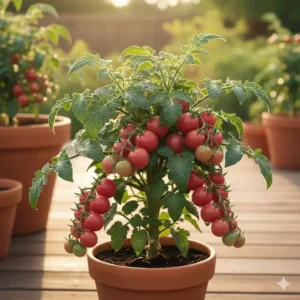
The Totem F1 Hybrid Tomato Seeds is another stellar choice, bred specifically for a narrow, upright, column-like habit, making it one of the best pot tomato varieties for small spaces. It’s a true workhorse.
-
Technical Specifications:
-
Growth Habit: Determinate/Columnar.
-
Mature Height: 20-30 inches.
-
Fruit Type: Medium-sized round fruit.
-
Fruit Size: 3-4 ounces.
-
DTM: Approximately 60-65 days.
-
Ideal Pot Size: 5-7 gallon container.
-
-
Customer Review Analysis: The primary positive feedback on the Totem F1 Hybrid Tomato Seeds centers on its “perfectly straight” and compact growth habit, which allows for multiple plants to be placed closer together than other determinates. Customers appreciate the balance between fruit size (not too small) and plant size (not too big).
-
Pros/Cons Analysis:
-
Pros: Excellent space efficiency due to columnar habit; good fruit size for a container plant; reliable, quick producer.
-
Cons: Flavor is often rated as “good” but not “exceptional” compared to heirlooms; requires a tall, thin stake for maximum stability.
-
7. Roma “Tough Boy” Determinate Hybrid Tomato Seeds
For the gardener who wants to make sauce or sun-dry their harvest, the Roma “Tough Boy” Determinate Hybrid Tomato Seeds brings the essential paste tomato into the pot. Most Roma types are too large, but this hybrid has been tailored for container success.
-
Technical Specifications:
-
Growth Habit: Determinate/Bush.
-
Mature Height: 36-48 inches (taller determinate).
-
Fruit Type: Roma/Paste.
-
Fruit Size: 4-5 ounces.
-
DTM: Approximately 75-80 days.
-
Ideal Pot Size: Minimum 7-gallon container.
-
-
Customer Review Analysis: Gardeners are thrilled to finally have a reliable paste tomato for their container gardens. The Roma “Tough Boy” Determinate Hybrid Tomato Seeds are lauded for their thick walls, low moisture content, and heavy, concentrated harvest. The main point of caution is that this plant is one of the larger determinate pot tomato varieties and requires a slightly larger pot and robust cage.
-
Pros/Cons Analysis:
-
Pros: Ideal for sauces, canning, and paste; concentrated, heavy harvest; excellent disease resistance.
-
Cons: One of the taller determinate types; still requires a 7-gallon minimum pot; later maturity date than cherry varieties.
-
✨ Don’t Miss These Exclusive Deals! 🍅
🔍 Take your container garden to the next level with these carefully selected products. Click on any highlighted seed variety name (Micro Tom, ‘Tumbler’ F1, BushSteak, Patio Choice Yellow F1, Sweet Pea Currant, Totem F1, Roma “Tough Boy”) to check current pricing and availability on Amazon. These seeds and plants are the foundation for a delicious, high-yielding harvest right on your patio or balcony! Don’t let another summer pass without the taste of fresh, homegrown tomatoes.
💬 Just one click – help others make better buying decisions too!😊
[addtoany]
📊 Technical Specifications Matrix (Spec Matrix)
Comparing these top contenders is crucial before committing to a purchase. Understanding the technical specifications of these pot tomato varieties will ensure you match the plant’s needs to your space limitations.
| Product Name | Growth Habit | Max Height (Inches) | Fruit Type | DTM (Days) | Minimum Pot Size (Gallons) | Primary Use |
| Micro Tom | Super-Dwarf | 6-8 in | Cherry | 50-60 | 0.5-1 gal (1-2 qt) | Windowsill/Ornamental |
| ‘Tumbler’ F1 | Trailing/Semi-D. | 12-18 in (Trail) | Cherry | 50-55 | 5 gal (Hanging) | Hanging Baskets/Patio |
| BushSteak | Determinate | 24-30 in | Slicing/Beefsteak | 70-75 | 10 gal | Large Slicer in a Pot |
| Patio Choice Yellow F1 | Determinate | 24 in | Saladette | 60-65 | 5 gal | Medium Slicer/Color |
| Sweet Pea Currant | Indeterminate (Fine) | 48-72 in (Managed) | Currant | 55-65 | 5-7 gal | Flavor/Snacking |
| Totem F1 | Determinate/Columnar | 20-30 in | Medium Round | 60-65 | 5-7 gal | Space-Saving Vertical |
| Roma “Tough Boy” | Determinate | 36-48 in | Paste/Roma | 75-80 | 7 gal | Sauce/Canning |
🛠️ Deeper Dive into Pot Tomato Requirements
When we talk about the best pot tomato varieties, we are really discussing the varieties that have been bred to survive and thrive in a limited root environment. This is where the concept of pot tomato as a classification becomes so important.
The root structure of a plant is directly correlated to its above-ground growth. Indeterminate varieties, which are designed to grow indefinitely, develop massive, intricate root systems that can easily overwhelm a container, no matter how large. They are constantly searching for new nutrients and moisture, a process which is severely restricted in a pot. Determinate varieties, conversely, have a genetically pre-programmed stopping point. They dedicate their energy to a shorter, more compact root ball, making them perfectly suited for life in a pot tomato setting.
Furthermore, the “Days to Maturity” (DTM) is a critical technical specification for container growers, especially those in regions with shorter summers or those trying for multiple successive harvests. The fact that the Micro Tom Tomato Seeds (Micro-Dwarf) has a DTM of 50-60 days means you could potentially start a second batch of seeds when you plant out the first, ensuring a staggered, continuous harvest. The speed and efficiency of these container varieties are why they have become so popular.
💰 Budget/Value Comparison (Cost vs. Premium)
Not all seed packets are created equal. The F1 Hybrids, like ‘Tumbler’ F1 Hybrid Tomato Seeds or Totem F1 Hybrid Tomato Seeds, tend to be more expensive because the seed must be produced via a carefully controlled cross of two parent lines each generation. Open-Pollinated (OP) or heirloom types, like the Sweet Pea Currant Tomato Seeds, are cheaper because their seeds can be easily saved, but they may not offer the same predictable container performance or disease resistance.
| Product Category | Example Variety | Estimated Price Range (Seed Packet) | Primary Advantage in a Pot | Value Rating (1-5, 5 being best) |
| Micro-Dwarf/Novelty | Micro Tom | Budget-Mid-Range | Fits the smallest spaces (desktop/windowsill) | 4/5 |
| F1 Hybrid (Premium) | ‘Tumbler’ F1 | Premium | Exceptional yield, disease resistance, specific trailing habit | 5/5 |
| Bush Slicer (Mid-Range) | Patio Choice Yellow F1 | Mid-Range | Good size fruit in a standard 5-gallon pot | 4/5 |
| Heirloom/OP (Budget) | Sweet Pea Currant | Budget | Unique, intense flavor; lower initial seed cost | 3/5 |
| Large Determinate | BushSteak | Mid-Range | Largest fruit size available for a manageable container | 5/5 |
| Columnar F1 (Premium) | Totem F1 | Premium | Superior space-saving vertical growth | 5/5 |
| Paste/Sauce | Roma “Tough Boy” | Mid-Range | Specific for sauce-making; concentrated determinate harvest | 4/5 |
📈 Value Analysis: Maximizing Yield per Square Foot
When assessing the value of different pot tomato varieties, container gardening forces us to think in terms of yield per square foot rather than just yield per plant.
-
Micro Tom seeds, while producing very small harvests per plant, allow for an incredible density of plants. You can fit four or five of them in the same area one BushSteak Tomato Seeds plant takes up. This makes them highly efficient for a kitchen counter setup.
-
‘Tumbler’ F1 Hybrid Tomato Seeds deliver premium value because they utilize vertical space (hanging down) and produce a massive, concentrated harvest. This burst of fruit is excellent for efficiency.
-
The Roma “Tough Boy” Determinate Hybrid Tomato Seeds offer high value to the canner or sauce maker. While the plant is larger, the specific characteristic of the fruit—thick walls, low moisture—means less time cooking down the pulp, which saves time and energy, adding unseen value.
Therefore, the “best” value is always subjective, but for most US gardeners seeking a balance between fruit size and space, a hybrid determinate like Patio Choice Yellow F1 Hybrid Tomato Seeds or Totem F1 Hybrid Tomato Seeds often provides the best blend of reliability, disease resistance, and manageable size.
🪴 Essential Care and Feeding for Container Tomatoes
Growing pot tomato varieties is inherently different from growing them in the ground. The most common pitfall for new container gardeners is underestimating the plants’ nutritional and watering needs. Since the roots cannot spread out to find distant moisture and nutrients, they rely entirely on you.
Watering: The Daily Commitment
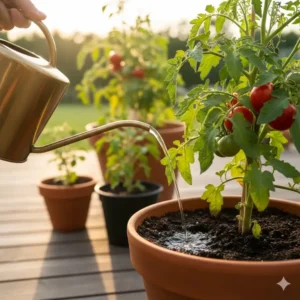
The smaller the container, the faster the soil dries out. In mid-summer, many pot tomato varieties, especially those in 5-gallon buckets or smaller, will require watering not just daily, but sometimes twice a day. The container itself, often plastic or terracotta, absorbs or allows water to evaporate quickly. Furthermore, a smaller volume of soil heats up much faster, stressing the roots.
-
Tip: Use a moisture meter or simply stick your finger 2 inches into the soil. If it’s dry, water deeply until water runs out the bottom. For a reliable, time-saving solution, consider a simple drip system for your container garden.
-
Outbound Link 2 (Gardening Best Practices): For in-depth, scientifically backed watering schedules and methods for vegetables in containers, I recommend the Royal Horticultural Society’s guide on container gardening for a professional perspective on best practices: https://www.rhs.org.uk/.
Nutrition: The Power of Feeding
The constant watering required by pot tomato plants also rapidly leaches nutrients from the small volume of soil. Therefore, routine fertilization is mandatory.
-
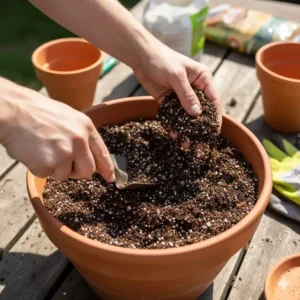
Start Right: Begin with a high-quality, potting-specific mix (never garden soil). A slow-release granular fertilizer mixed into the soil at planting time is a great start.
-
Maintain: Once the first flowers appear, the plant needs a nutrient boost. Switch to a liquid fertilizer (like a 4-6-8 or similar tomato formula) and apply it every 1-2 weeks. This ensures the plant has the necessary Potassium (K) for fruit set and development.
-
Key Nutrients: Pay special attention to Calcium (Ca). Since blossom end rot is a common issue with pot tomato varieties, ensure your fertilizer or soil amendment contains a good source of calcium.
Key Features/Benefits Comparison: Pots vs. In-Ground
The benefits of growing pot tomato varieties go beyond just space-saving; they offer a unique set of advantages that even in-ground gardeners can appreciate.
| Feature/Benefit | Pot Tomato Gardening | In-Ground Gardening | Explanation of Advantage |
| Portability | Excellent – Move plants based on sun or weather. | Poor – Plants are fixed once planted. | ✅ Pot Advantage: Allows you to chase the sun or bring plants in during a sudden frost. |
| Soil Quality Control | Total Control – Completely define the soil structure and pH. | Limited – Must work with existing native soil. | ✅ Pot Advantage: Avoids pests, weeds, and poor native soil conditions entirely. |
| Pest/Disease Isolation | High – Easily remove and isolate a diseased pot. | Low – Diseases and pests spread through contiguous soil. | ✅ Pot Advantage: Critical for small gardens; prevents an entire harvest from being wiped out. |
| Early/Late Season Start | Excellent – Can start seeds weeks earlier indoors. | Limited – Tied to the last/first frost dates. | ✅ Pot Advantage: Gives you a significant head start on the growing season. |
📐 Requirements Analysis: Matching Pot Tomato Varieties to Your Space
Choosing the right pot tomato varieties is a multi-variable equation. It’s not just about which tomato you want to eat; it’s about which one will fit and thrive in the limited environment you can provide. This section helps you analyze your constraints to make the smartest decision.
Sun, Space, and Water Requirements Matrix
| Limiting Factor | Low Constraint (Easy) | Moderate Constraint (Average) | High Constraint (Difficult) | Best Pot Tomato Variety Match |
| Sunlight (Hrs/Day) | 8+ hours | 6-8 hours | 4-6 hours (minimum) | BushSteak or Roma “Tough Boy” (for yield) |
| Physical Space | Patio, Large Balcony | Small Balcony, Deck Corner | Windowsill, Apartment Interior | Micro Tom (tiny) or Totem F1 (vertical) |
| Watering Consistency | Daily Drip/Self-Watering | Manual Check 1-2 times daily | Erratic/Weekend-Only | Roma “Tough Boy” (Tolerant) |
| Support Structure | Full Cage/Trellis OK | Small Stake/Tomato Ring | No Support Needed | Micro Tom or ‘Tumbler’ F1 (Trailing) |
| Desired Fruit Size | Large Slicer | Medium/Saladette | Cherry/Currant | BushSteak (Large) or Patio Choice Yellow F1 (Medium) |
This matrix shows, for instance, that if you have high constraints on Physical Space, the dwarf Micro Tom Tomato Seeds (Micro-Dwarf) or the columnar Totem F1 Hybrid Tomato Seeds are your best bets. If you have low constraints on space and want the biggest fruit, you must opt for a large-fruited determinate like BushSteak Tomato Seeds and commit to its 10-gallon container requirement.
Understanding the Determinate/Indeterminate Spectrum
While we focus heavily on determinate pot tomato varieties, it’s important to understand the nuance. The Sweet Pea Currant Tomato Seeds is technically indeterminate, meaning it will continue to grow, but its vining is so thin and delicate that it requires less structure and root volume than a beefsteak indeterminate. Similarly, the ‘Tumbler’ F1 Hybrid Tomato Seeds is described as semi-determinate or trailing, meaning it has a pre-defined limited height but is bred to have flexible stems that fall over the edge of a hanging basket, utilizing gravity instead of a support structure. Knowing this subtle difference is key to advanced container gardening.
💡 Troubleshooting Common Container Tomato Issues
Even with the best pot tomato varieties, you’re likely to encounter a few hiccups. Since your plants are contained and highly reliant on you, recognizing and addressing these issues quickly is crucial for a successful harvest of your container tomatoes.
Blossom End Rot (BER)
-
Symptom: The bottom (blossom end) of the fruit turns dark brown or black, becoming leathery and sunken.
-
Mechanism: This is not a disease, but a calcium deficiency in the developing fruit. It’s almost always caused by inconsistent watering, which prevents the plant from transporting the available calcium from the soil into the fruit.
-
Solution: Ensure consistent, deep watering. If you suspect your water or soil is calcium-poor, a one-time application of calcium nitrate or bone meal, or a foliar spray of calcium chloride, can help new fruit set (it won’t save the affected ones). This is particularly common in large-fruited pot tomato varieties like BushSteak or Roma “Tough Boy” which demand more resources.
Yellowing Leaves (Chlorosis)
-
Symptom: Lower leaves turn yellow and eventually drop off.
-
Mechanism: Often due to nitrogen deficiency (a nutrient quickly leached from containers) or early blight (a fungal disease). If it’s nitrogen, the yellowing starts at the leaf tips and margins. If it’s blight, you’ll see small, dark spots with concentric rings.
-
Solution: If nitrogen-related, apply a balanced liquid fertilizer high in nitrogen immediately. If it’s blight, remove the affected leaves immediately, and ensure there is good air circulation around your pot tomato plants.
Enhancing Flavor: Beyond the Basics
Many people worry that a tomato grown in a container will taste inferior to one grown in a field. While it’s true that great flavor depends on full, uninterrupted sun, there are steps you can take to maximize the taste of your pot tomato varieties:
-
Stop Watering Late: In the week or two before the final fruit on your determinate plants is ready, slightly restrict the water. This concentrates the sugars in the fruit, intensifying the flavor.
-
Use Mineral-Rich Fertilizer: Use organic fertilizers like fish emulsion, kelp meal, or worm castings. These provide micronutrients that often translate to a more complex, deeper flavor profile in the final fruit.
-
Maximum Sun: Ensure your container tomatoes receive the absolute maximum amount of direct sunlight possible. The sun drives photosynthesis, which produces the sugars necessary for that classic, sweet tomato taste.
Outbound Link 3 (Research on Tomato Flavor): For those interested in the science behind flavor, the Cornell University College of Agriculture and Life Sciences has published excellent research on the genetic and environmental factors affecting tomato quality: https://cals.cornell.edu/.
✨ Your Next Step: Start Planting Today! 🚀
Click on any of the product links above, grab your perfect pot tomato varieties, and get your hands dirty. The taste of your first homegrown container tomato will make all the effort worthwhile! 🤩
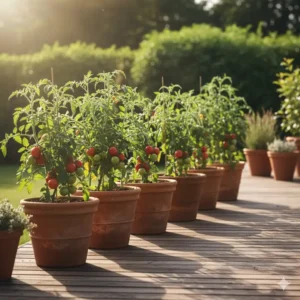
Conclusion: Mastering the Art of Pot Tomato Varieties
Growing your own tomatoes, even without a yard, is one of the most rewarding gardening experiences, and selecting the right pot tomato varieties is the key to unlocking that success. We’ve seen that the choice is not just random; it’s a calculated decision based on your available sunlight, physical space, and desired harvest.
Whether you opt for the ultra-compact efficiency of Micro Tom Tomato Seeds (Micro-Dwarf) for your windowsill, the high-yielding, trailing beauty of ‘Tumbler’ F1 Hybrid Tomato Seeds for your hanging basket, or the large-fruit ambition of BushSteak Tomato Seeds in a large container, you now possess the expert knowledge to make the right call. The world of container tomatoes is vibrant, productive, and entirely within your reach.
The journey from a tiny seed to a basket full of sun-warmed, delicious tomatoes is incredibly satisfying. Don’t wait—summer is fleeting, and the time to start is now!
❓ Frequently Asked Questions
❓ What is the absolute best pot size for determinate tomato varieties?
❓ Can I successfully grow large beefsteak tomatoes in a pot?
❓ When should I transplant my pot tomato seedlings outdoors?
❓ What are 'micro-dwarf' pot tomato varieties?
❓ Should I prune determinate pot tomato varieties?
Recommended for You
- Indoor Tomato Growing System: 7 Powerful Ways to Boost Growth Indoors [2025]
- Best Tomatoes to Grow Indoors: Your Ultimate Guide to a Year-Round Harvest 🍅 [2026]
- Best Tomato Varieties for Pots: 7 Amazing Picks for Your Patio 🍅
Disclaimer: This article contains affiliate links. If you purchase products through these links, we may earn a small commission at no additional cost to you.
✨ Found this helpful? Share it with your friends! 💬🤗
[addtoany]
